

An awareness-raising campaign by environmental charity Keep Britain Tidy has seen the recycling of Milton Keynes residents get ‘marked’ as contaminated.
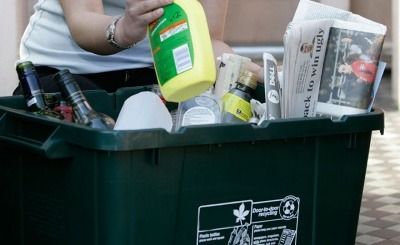
The move from Milton Keynes Council, which was followed up by a letter sent through residents’ doors informing them about the issue, is part of Keep Britain Tidy’s Contamination Reduction Programme to teach the public how to recycle correctly.
The Contamination Reduction Programme aims to reduce the amount of contaminated waste in waste streams by educating residents in pilot areas on what to recycle and what to leave out of their recycling bins.
The Programme is also expected to save local authorities millions of pounds per year.
As well as receiving ‘direct feedback’ in the form of marked waste sacks, residents will also have access to educational materials on how to filter through their recycling properly.
Cllr Emily Darlington, Milton Keynes Council, commented that lots of things ‘that shouldn’t be there, like dirty nappies, glass bottles, food waste, and old clothes’ end up in the recycling bins of residents, and that the issue costs the Council ‘hundreds of thousands of pounds per year’.
"Dealing with things that cannot be recycled costs Milton Keynes Council hundreds of thousands pounds per year. That’s money that could be better spent to help local people. We are very pleased to be working with Keep Britain Tidy to help residents recycle correctly,” added Cllr Darlington.


Get our weekly digest
resource.co article ai

How will the government and DMOs address the challenges of including glass in DRS while ensuring a level playing field across the UK?
There's no easy solution to include glass in the DRS while maintaining a level playing field. Potential approaches include a phased introduction of glass, potentially with higher deposits to reflect its logistical challenges. The government and DMOs could incentivise innovation in glass packaging design and subsidise dedicated return points for glass-handling. Exemptions for smaller businesses unable to handle glass might also be necessary. Any successful solution will likely blend several approaches. It must address the differing priorities of devolved administrations, balance environmental benefits with logistical and cost implications, and be supported by robust consumer education campaigns emphasizing the importance of glass recycling.