

Keenan Recycling has announced its acquisition of the food waste wheelie bin collection arm of JNL Waste Services Limited.
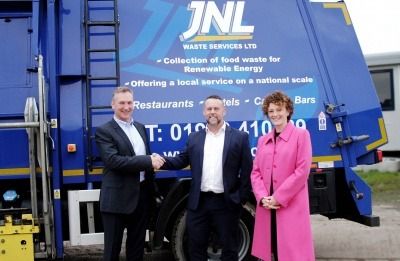
The food waste collection firm, which achieved full coverage of the UK earlier this year, states that the move will strengthen the company’s service in the Midlands, Northamptonshire, and East Anglia, as well as introducing new customers and growing Keenan’s fleet of vehicles.
Jon Lee, JNL Waste Services said: “I am pleased to confirm that Keenan Recycling has successfully concluded the acquisition of our wheelie bin service. Keenan Recycling has a fantastic reputation in the industry, so we know our customers will be in good hands.
“The sale will allow us to focus on bulk food waste haulage and the funds from the deal will be used to expand our articulated fleet.”
Managing director of Keenan Recycling, Grant Keenan commented: “Jon and Natalie have built a fantastic company over the years and the wheelie bin arm of their business was a naturally strong fit for Keenan.”
Keenan added: “Over the past 18 months, we’ve made significant investments into England, that allowed us to serve a wealth of new customers including colleges, restaurants and fast-food chains as businesses increasingly review their carbon footprint, and realise how food waste recycling can support sustainability goals.”
“Since we achieved UK wide coverage earlier in the year we are starting to see numerous acquisition opportunities as other waste management firms believe they could benefit by becoming part of Keenan Recycling”.


Get our weekly digest
resource.co article ai

How will the government and DMOs address the challenges of including glass in DRS while ensuring a level playing field across the UK?
There's no easy solution to include glass in the DRS while maintaining a level playing field. Potential approaches include a phased introduction of glass, potentially with higher deposits to reflect its logistical challenges. The government and DMOs could incentivise innovation in glass packaging design and subsidise dedicated return points for glass-handling. Exemptions for smaller businesses unable to handle glass might also be necessary. Any successful solution will likely blend several approaches. It must address the differing priorities of devolved administrations, balance environmental benefits with logistical and cost implications, and be supported by robust consumer education campaigns emphasizing the importance of glass recycling.