

BBC presenter JJ Chalmers has joined Recycle Now and Clear on Plastics for a new ‘Repeat the Cycle’ campaign. The awareness-raising initiative, which will take place in front of 4,000 supermarkets nationwide, hopes to encourage people to recycle.
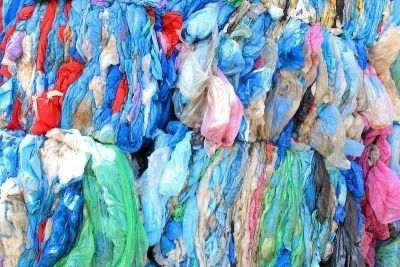
‘Repeat the Cycle’ will run from this week until 11 April. Each supermarket involved in the campaign will collect clean or used household plastic bags and wrapping at collection points within their stores. These materials, from bread bags to crisp packets, will then be recycled – forming part of the campaign's motivation to address inconsistencies in UK recycling collections.
All stores involved in the initiative will be linked with Recycle Now so that customers can find their nearest recycling point on the Recycling Locator.
Currently, 84 per cent of local authorities collect plastic bottles, tubs, pots and trays at the kerbside for many UK residents yet less than 20 per cent collect plastic bags and wrapping. Instead of being recycled, around 290,000 tonnes of plastic wrapping is placed in UK bins each year, subsequently lost to landfill and incineration.
New research from Recycle Now shows that almost a quarter (23 per cent) of UK citizens incorrectly put plastic bags and wrapping in their household recycling – usually through ‘wish-cycling’ – while plastic bags and wrapping is one of the most searched for items on the website by frustrated householders.
JJ Chalmers said: “I’m thrilled to be supporting Recycle Now to help get the word out on recycling plastic bags and wrapping. It's a passion of mine to keep stuff like plastics in use and out of the environment – that's why I do a lot of work on upcycling. So, I think it's fantastic that we can now gather up our plastic bags, wrapping, and films, and bring them back to the store each time we shop. It's a simple habit that will make a huge difference to our impact on the natural environment.”
Sarah Clayton, Head of Recycle Now and Clear on Plastics, added, “Recycling is a growing success story in the UK, with most people now routinely recycling. But, if you look inside people’s bins today there remains one stubborn plastic that most of us can’t recycle at home – items like bread bags, chocolate wrappers, crisp packets and toilet roll wrapping.
“So, we’ve set out to raise awareness and nudge people towards new behaviours by helping them find their nearest recycling point from more than 4,000 supermarket options open to them on the Recycling Locator. It’s simply a case of bagging up your used items and taking them to your local participating supermarket when you next go shopping – and Repeat the Cycle!”
The government-backed campaign is supported by a host of brands, retailers and businesses signed up to the UK Plastics Pact Participating supermarkets include Tesco, Co-op and Sainsburys, with other major retailers on the cusp of rolling out services, or currently trialling options.
James Bull, Tesco’s Head of Packaging, said, “We believe no plastic packaging should end up as waste but soft plastic packaging plays an important role in prolonging the shelf-life of some products and preventing food waste. So, while we’re continually working to reduce our use of soft plastic, we can’t get rid of it altogether just yet. Soft plastic collections combined with promotional initiatives like ‘Repeat the Cycle’ are essential to help prevent these materials from going to landfill.”


Get our weekly digest
resource.co article ai

How will the government and DMOs address the challenges of including glass in DRS while ensuring a level playing field across the UK?
There's no easy solution to include glass in the DRS while maintaining a level playing field. Potential approaches include a phased introduction of glass, potentially with higher deposits to reflect its logistical challenges. The government and DMOs could incentivise innovation in glass packaging design and subsidise dedicated return points for glass-handling. Exemptions for smaller businesses unable to handle glass might also be necessary. Any successful solution will likely blend several approaches. It must address the differing priorities of devolved administrations, balance environmental benefits with logistical and cost implications, and be supported by robust consumer education campaigns emphasizing the importance of glass recycling.