

Salvation Army Trading Company launches initiative to boost donations with social media partnerships, including Charity Shop Girl, DJ Cuppy, and Besma Whayeb.
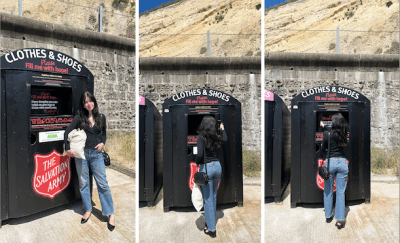
The Salvation Army Trading Company Ltd (SATCoL) has launched an influencer-driven campaign aimed at reducing textile waste and encouraging citizens to donate used clothing, handbags, and shoes.
The Reuse 2 Repurpose campaign highlights the importance of extending the life of second-hand items and reducing the environmental impact of textile waste.
A diverse group of influencers have joined the initiative, using their platforms to share content about SATCoL’s work and encourage donations. Participants include Charity Shop Girl, an advocate for charity clothing, DJ Cuppy, a musician and philanthropist, and Besma Whayeb, a sustainable fashion writer and content creator.
These influencers, amongst others, have engaged their audiences by showcasing the simple process of donating items and emphasising the broader impact of these contributions. The campaign demonstrates how donations to clothing banks can give textiles a second life.
SATCoL collects, sorts, and resells these items, with proceeds supporting The Salvation Army’s work with vulnerable communities across the UK. By focusing on reuse, the initiative captures growing public interest in sustainability and practical actions to reduce waste.
Members of the public are encouraged to donate pre-loved items to Salvation Army clothing banks and share their experiences on social media using #MySalvationArmyDonation and #Reuse2Repurpose. SATCoL’s instagram account, @Reuse2Repurpose, showcases stories and updates on the campaign.
Reuse 2 Repurpose comes after SATCoL launched their Take Back fashion campaign in November, partnering with UK retailers and brands to encourage customers to recycle their unwanted clothing.


Get our weekly digest
resource.co article ai

How will the government and DMOs address the challenges of including glass in DRS while ensuring a level playing field across the UK?
There's no easy solution to include glass in the DRS while maintaining a level playing field. Potential approaches include a phased introduction of glass, potentially with higher deposits to reflect its logistical challenges. The government and DMOs could incentivise innovation in glass packaging design and subsidise dedicated return points for glass-handling. Exemptions for smaller businesses unable to handle glass might also be necessary. Any successful solution will likely blend several approaches. It must address the differing priorities of devolved administrations, balance environmental benefits with logistical and cost implications, and be supported by robust consumer education campaigns emphasizing the importance of glass recycling.