

IMRO Maschinenbau and ZenRobotics will combine robotic sorting technology with processing lines at Uffenheim facility to extract metals from incinerator bottom ash, with operations planned to start before end of 2025
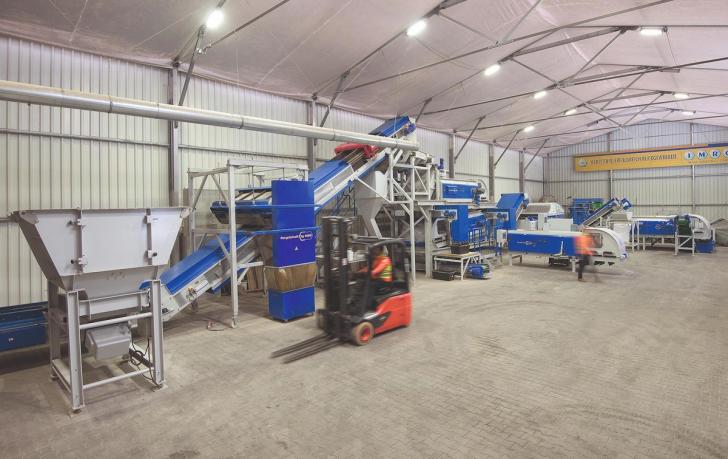
IMRO Maschinenbau, a German recycling systems manufacturer, plans to open a facility capable of processing incinerator bottom ash (IBA) using AI-powered robotic sorting technology from ZenRobotics.
Located at IMRO's headquarters in Uffenheim, Germany, the facility will combine ZenRobotics' robotic and sensor-based sorting technologies with IMRO's processing lines to extract metals including aluminium, copper, and stainless steel from IBA and other complex waste streams.
According to information provided by ZenRobotics, IBA typically represents 20-30 per cent of total incinerated waste. Europe produces an estimated 20-30 million tonnes annually from more than 400 waste incinerators.
Robotic sorting technology
The facility will deploy a ZenRobotics Heavy Picker, which uses sensors, robotic arms, and artificial intelligence to separate multiple waste fractions. According to ZenRobotics, the system can handle objects weighing up to 40kg and measuring up to 1.5 metres in size, performing up to 2,300 picks per hour per arm.
The company stated the technology can identify and separate materials including stones, stainless steel, brass, copper, electric motors, and other valuable fractions in a single operation, achieving up to 99 per cent purity in recovered materials.
"We are proud to join forces with ZenRobotics to push the boundaries of intelligent material recovery," said Reinhard Ott, Managing Director at IMRO Maschinenbau. "Our combined technologies not only deliver exceptional purity and recovery rates but also enable recyclers to confidently process even the most demanding and complex waste streams."
ZenRobotics reported that the robots can recognise and sort different material categories including stones, stainless steel, brass, copper, and electric motors despite heavily soiled conditions, and generate reports on material composition.
Reference installation
According to information provided to Resource, KEZO, an EfW facility near Zurich, Switzerland, has been using AI-powered robotic systems for autonomous IBA sorting since the beginning of 2025. The installation's results influenced IMRO Maschinenbau's decision to implement its own ZenRobotics system.
"This collaboration brings together two proven leaders in recycling technology," said Juha Mieskonen, General Manager at ZenRobotics. "By combining our expertise, we're delivering robotic sorting solutions that not only improve throughput and recovery rates but also enable recyclers to process complex waste streams with greater precision."
The Uffenheim facility is scheduled to be fully operational before the end of 2025. It will also function as a testing environment for advanced metal separation and automation, enabling demonstrations, customer trials, and development projects.
IMRO specialises in bottom ash handling and metal recovery systems. The company plans to use the facility to demonstrate robotic sorting technology to IBA processors worldwide and to test ash batches from various incineration plants under operating conditions.


Get our weekly digest
resource.co article ai

How will the government and DMOs address the challenges of including glass in DRS while ensuring a level playing field across the UK?
There's no easy solution to include glass in the DRS while maintaining a level playing field. Potential approaches include a phased introduction of glass, potentially with higher deposits to reflect its logistical challenges. The government and DMOs could incentivise innovation in glass packaging design and subsidise dedicated return points for glass-handling. Exemptions for smaller businesses unable to handle glass might also be necessary. Any successful solution will likely blend several approaches. It must address the differing priorities of devolved administrations, balance environmental benefits with logistical and cost implications, and be supported by robust consumer education campaigns emphasizing the importance of glass recycling.