

The Hair Recycle Project, led by Belgian non-profit Dung Dung, is using human hair clippings to absorb environmental pollutants, such as oil and other hydrocarbons, from waterways.
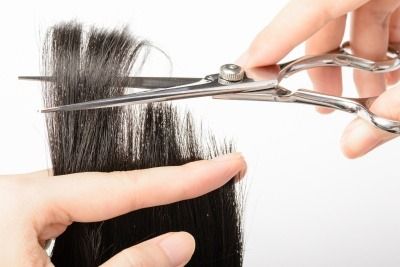
Within the waste recovery project, hair clippings are collected from hairdressers across Belgium and then fed into a machine that turns them into matted squares, called ‘hair booms’ or ‘hair mats’. Alternatively, the clippings can be used to create bio-composite bags.
Dung Dung’s hair mats can be utilised to address the problem of hydrocarbon (oil) pollution in the country. For instance, being placed in drains to soak up environmental pollutants in waterways before the water reaches rivers and addressing leakages from oil tanks.
According to the non-profit, one kilogram of hair can absorb up to eight litres of oil, as it is lipophilic. Hair is also made up of 95 per cent keratin– a protein that gives it elasticity, resistance, flexibility and water insolubility.
The Eurofins Foundation, which is supporting the project, commented that “currently, oil pollution is usually treated with absorbent socks made of non-biodegradable polypropylene.”
Unlike polypropylene, human hair is biodegradable and therefore lacks the potential to become an environmental pollutant itself.
"Our products are all the more ethical as they are manufactured locally... they are not imported from the other side of the planet," says project co-founder Patrick Janssen. "They are made here to deal with local problems."
Isabelle Voulkidis, manager of the Helyode salon in Brussels, is amongst the hairdressers across Belgium that pay a small fee to the project to collect their hair cuttings. She comments: "What motivates me, personally, is that I find it a shame hair is nowadays just thrown in the bin, when I know that so much could be done with it.”


Get our weekly digest
resource.co article ai

How will the government and DMOs address the challenges of including glass in DRS while ensuring a level playing field across the UK?
There's no easy solution to include glass in the DRS while maintaining a level playing field. Potential approaches include a phased introduction of glass, potentially with higher deposits to reflect its logistical challenges. The government and DMOs could incentivise innovation in glass packaging design and subsidise dedicated return points for glass-handling. Exemptions for smaller businesses unable to handle glass might also be necessary. Any successful solution will likely blend several approaches. It must address the differing priorities of devolved administrations, balance environmental benefits with logistical and cost implications, and be supported by robust consumer education campaigns emphasizing the importance of glass recycling.