

NLWA survey reveals improper lithium-ion battery disposal was behind 13 north London waste fires so far this year.
Research from North London Waste Authority (NLWA) has revealed that over half of Londoners incorrectly dispose of old electricals in their household waste or recycling bins.
The study, which surveyed more than 1,000 London residents, also found that 55 per cent of participants have experienced signs of a damaged battery, including overheating, swelling, hissing sounds, an unusual smell or smoke, with almost a third continuing to use their electrical device despite an issue.
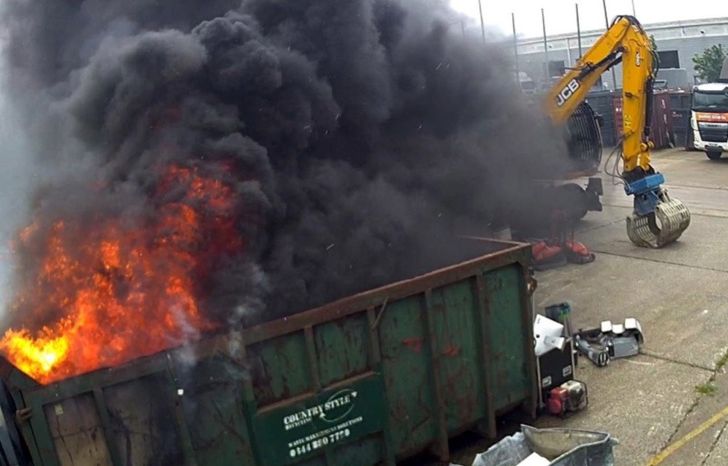
These findings coincide with a rise in fires caused by lithium-ion batteries across London, with 13 recorded incidents in north London waste and recycling facilities so far in 2024, including a major fire at Waltham Forest’s South Access Road Reuse and Recycling Centre in May.
The NLWA survey found that almost 60 per cent of London residents have purchased a non-branded replacement charger for electronic devices and three-quarters leave their devices on charge unattended overnight or for long periods of time - activities discouraged by UK safety guidelines.
Lithium-ion batteries, which are commonly found in rechargeable devices such as mobile phones, laptops, power tools and e-bikes, are particularly sensitive to high temperatures and crushing.
According to research from Material Focus, lithium batteries that have not been removed from electricals cause more than 1,200 fires each year in bin lorries and at waste sites in the UK.
Explaining the issues caused by the batteries, Councillor Clyde Loakes MBE, Chair of the NLWA, commented: “Lithium battery fires release toxic fumes and can spark back up out of nowhere, so they pose a significant risk to our staff, buildings, equipment, the environment and general public.
“If they are hidden amongst other rubbish and recycling, batteries can easily be crushed or damaged, which is why it’s so important to use a designated recycling bin, drop off or collection point.”
The challenges associated with their disposal are currently being discussed as part of the Lithium-Ion Battery Safety Bill, and have been raised during the course of the Product Regulation and Metrology Bill.
Councillor Loakes further emphasised the importance of government action: “There is a clear role for the government to create a step-change in reducing the significant – and growing – risks these fires present, including by introducing enhanced producer responsibilities among manufacturers - without delay - to encourage appropriate and safe disposal.”


Get our weekly digest
resource.co article ai

How will the government and DMOs address the challenges of including glass in DRS while ensuring a level playing field across the UK?
There's no easy solution to include glass in the DRS while maintaining a level playing field. Potential approaches include a phased introduction of glass, potentially with higher deposits to reflect its logistical challenges. The government and DMOs could incentivise innovation in glass packaging design and subsidise dedicated return points for glass-handling. Exemptions for smaller businesses unable to handle glass might also be necessary. Any successful solution will likely blend several approaches. It must address the differing priorities of devolved administrations, balance environmental benefits with logistical and cost implications, and be supported by robust consumer education campaigns emphasizing the importance of glass recycling.