

A new study, led by researchers at Columbia University, has identified significant levels of nanoplastics in commercially available bottled water. Utilising sophisticated detection technology, researchers found these tiny particles are present in much higher quantities than previously known. With nanoplastics being smaller than microplastics, this highlights the potential for more invasive health impacts linked to plastic pollution.
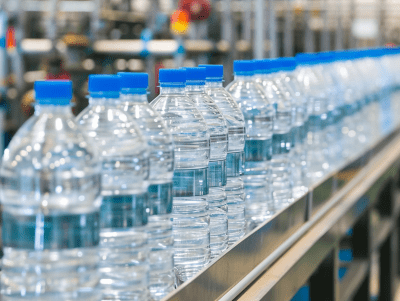
The prevalence of nanoplastics in bottled water not only raises questions about the impact of current packaging materials and waste disposal methods on environmental health but also on safety. As the industry adapts to these challenges, understanding the scale of nanoplastic pollution prompts questions about future practices and policies.The research employed hyperspectral stimulated Raman scattering (SRS) imaging to detect nanoplastics in bottled water. This advanced method identified and quantified nanoplastic particles with high precision, using specific light wavelengths to identify different substances based on how they scatter light.According to study co-author Beizhan Yan, an environmental chemist at Columbia University’s Lamont-Doherty Earth Observatory, the technique sheds new light on the previously unexplored area of nanoplastic toxicity. Yan stated: “Previously this was just a dark area, uncharted. Toxicity studies were just guessing what’s in there. This opens a window where we can look into a world that was not exposed to us before.”In the study, the researchers analysed three well-known bottled water brands in the United States, examining particles as small as 100 nanometers. Their analysis revealed between 110,000 and 370,000 plastic particles per litre of water. Notably, about 90% of these were nanoplastics, with the remainder being microplastics. Additionally, they identified the types of plastics and their shapes, a finding that has potential implications for biomedical research. Currently, 400 million tonnes of plastic is produced each year, with an estimated 30 million tonnes of resulting plastic pollution.Polyethylene terephthalate (PET), commonly used in water bottles, sodas, sports drinks, and some condiments, was identified in the water, likely shedding from the bottles themselves. Surprisingly, polyamide, a nylon type, was found in greater quantities, potentially originating from the plastic filters used in water purification. The study also discovered other plastics like polystyrene, polyvinyl chloride, and polymethyl methacrylate, typically used in various industrial processes.Naixin Qian, the study's lead author, highlighted the advancement in detection methods, added, “People developed methods to see nanoparticles, but they didn’t know what they were looking at.”Nanoplastics, typically less than 1 micrometre (μm) in size, are significantly smaller than a human hair, which is about 75 μm thick. Their size makes them potentially more invasive in natural environments and potentially within humans, as they can pass through biological barriers.Sian Sutherland, Co-Founder of A Plastic Planet & PlasticFree, commented on the reports findings: “There is no better symbol for our single use culture than a plastic bottle of water, this new disturbing reality check should come as no surprise. Anyone who cares about their health, or the health of their children, will be profoundly worried about today’s findings, with plastic production continuing to soar we need to ask ourselves, is this risk worth it for the sake of convenience in our throwaway lifestyle.”“The careless use of the thousands of chemicals in plastic are a scourge on the health of our planet and humans alike. We need to listen to the scientists and act fast to end our obsession with plastic. We need to accept that we cannot recycle our way out of this mess,” adds Sutherland, advocating for a reevaluation of our reliance on plastics.The challenges in detecting and filtering nanoplastics due to their size and prevalence are significant. This study brings into focus the need for advancements in detection and filtration technologies.The study illustrates the lack of full information about the extent of plastic pollution. According to Sutherland: “Some may consider bottled water safer than tap water. But the convenience that plastic brings is not what the doctor ordered. Instead, it comes with a toxic dose of microplastics and chemicals.”Jo Royle, CEO and Founder of Common Seas, said: “The news that bottled water contains hundreds of thousands of nanoplastics is profoundly worrying, but unfortunately unsurprising.
“Recent research revealed by Common Seas detected microplastics in human blood for the first time, yet plastic products still fill the shelves of every shop in the country. From our blood to our heart, to our brain, plastic has infiltrated every part of our body. Governments globally must now act swiftly to ban harmful plastic products and unite behind a legally binding Global Plastics Treaty that recognises the threat plastic poses to human health.”


Get our weekly digest
resource.co article ai

How will the government and DMOs address the challenges of including glass in DRS while ensuring a level playing field across the UK?
There's no easy solution to include glass in the DRS while maintaining a level playing field. Potential approaches include a phased introduction of glass, potentially with higher deposits to reflect its logistical challenges. The government and DMOs could incentivise innovation in glass packaging design and subsidise dedicated return points for glass-handling. Exemptions for smaller businesses unable to handle glass might also be necessary. Any successful solution will likely blend several approaches. It must address the differing priorities of devolved administrations, balance environmental benefits with logistical and cost implications, and be supported by robust consumer education campaigns emphasizing the importance of glass recycling.