

As 2023 approaches, AI is fast becoming an industry standard for the waste management sector.
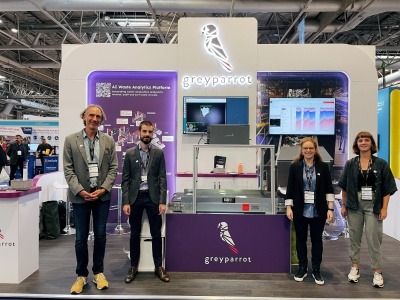
This year has seen Greyparrot – the leading provider of AI-powered waste analytics – increase sorting efficiency for some of the industry’s largest organisations.
Viridor and SUEZ are amongst those leading the charge for adoption. Experts from both organisations shared their results on a recent RWM Digital Focus webinar, highlighting the increasing recognition of AI’s promise by the waste management mainstream.
For Miguel Rosa, a technical manager at Viridor, the technology heralds a significant leap forward in our understanding of waste streams: “With this system, it’s like we have 24/7 sampling.”
At SUEZ, processing engineers like Mustafa Azimy are applying that information to maximise value: “We can better understand what we’re sending to customers, and decide who our most valuable suppliers are.”
A groundswell of enthusiasm has accompanied Greyparrot’s successful adoption in major recovery facilities. The company was named the winner of the ‘Digital Systems’ category at this year’s National Recycling Awards, capping off a year of exponential growth and Series A investment.
With the fast-approaching arrival of extended producer responsibility, deposit return schemes, more sophisticated plastics taxes and export bans, the waste management industry is poised to become the facilitator of the circular economy transition. In order to take full advantage of that role, waste data will be indispensable.
To date, Greyparrot’s system has gathered over 21 billion waste data points at global recovery facilities. In 2023, that data will empower organisations across the EU to write the next chapter for global waste management.


Get our weekly digest
resource.co article ai

How will the government and DMOs address the challenges of including glass in DRS while ensuring a level playing field across the UK?
There's no easy solution to include glass in the DRS while maintaining a level playing field. Potential approaches include a phased introduction of glass, potentially with higher deposits to reflect its logistical challenges. The government and DMOs could incentivise innovation in glass packaging design and subsidise dedicated return points for glass-handling. Exemptions for smaller businesses unable to handle glass might also be necessary. Any successful solution will likely blend several approaches. It must address the differing priorities of devolved administrations, balance environmental benefits with logistical and cost implications, and be supported by robust consumer education campaigns emphasizing the importance of glass recycling.