

Environmental charity and think tank, Green Alliance, has said that banning biodegradable waste from landfills by 2025 would reduce the UK’s total methane emissions by 19 per cent. ‘The Global Methane Pledge: How the UK can meet its commitment’ report intends to show how the UK can still make its commitment made at COP26 last year to reduce UK methane emissions by 30 per cent by 2030.
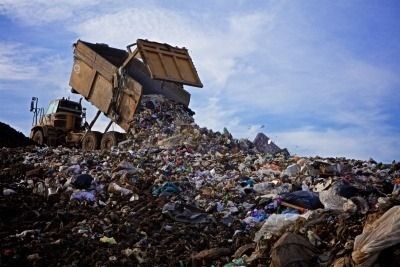
The report said that the Government has made ‘little headway’ a year on from making the commitment, and shows the potential of a 43 per cent decrease in emissions by 2030 if the Government followed its advice.
Currently, Scotland has a proposed ban on organic waste heading to landfills forecast for 2025, while Defra has a similar ban in place for England for 2028. The report shows that the 2028 ban would only result in a 1 per cent reduction by 2030.
The report also notes that the landfill tax introduced in England in 1996 plus the growing implementation of landfill gas capture from the mid-2000s gas, resulted in a 68 per cent reduction in UK methane emissions since 1990.
Green Alliance suggests introducing a mandate that landfill operators capture 80 per cent of methane gases by 2030 which would cut methane emissions by an additional 24 per cent. This would also improve air quality and create a ‘ready supply’ of biogas to be used for fuel.


Get our weekly digest
resource.co article ai

How will the government and DMOs address the challenges of including glass in DRS while ensuring a level playing field across the UK?
There's no easy solution to include glass in the DRS while maintaining a level playing field. Potential approaches include a phased introduction of glass, potentially with higher deposits to reflect its logistical challenges. The government and DMOs could incentivise innovation in glass packaging design and subsidise dedicated return points for glass-handling. Exemptions for smaller businesses unable to handle glass might also be necessary. Any successful solution will likely blend several approaches. It must address the differing priorities of devolved administrations, balance environmental benefits with logistical and cost implications, and be supported by robust consumer education campaigns emphasizing the importance of glass recycling.