

Policy interventions are needed to incentivise device donation, with more reusable devices being discarded instead of donated.
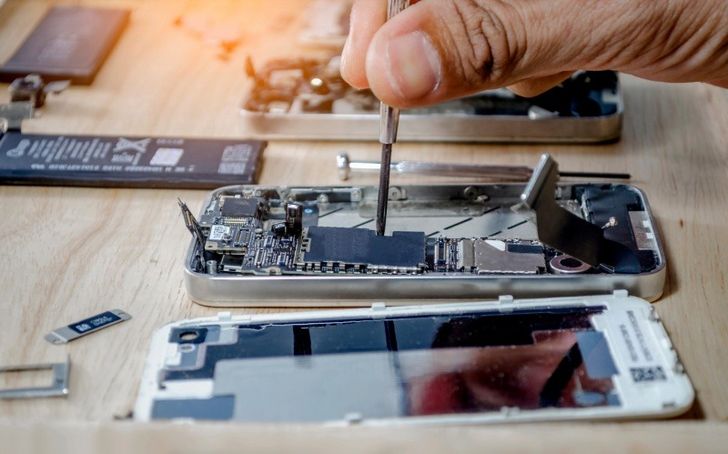
As demand for electronic devices continues to rise in the UK, a growing number of usable products are being discarded instead of donated, according to research from the Green Alliance.
The Restart Project estimates over 30,000 reusable small electrical and electronic products are recycled instead of reused each week. The high levels of disposal and recycling are contributing to a problem with e-waste, with the UK generating the second highest amount on average per person globally in 2022.
Through interviews with various businesses and public sector organisations, Green Alliance identifies three significant challenges contributing to this problem: insufficient incentive to donate, donation of unusable devices, and concerns around data safety.
These devices could be redistributed instead, with the Good Things Foundation’s National Device Bank reporting that, despite redistributing products to over 10,000 people, demand is still five times greater than supply.
Emily Carr, Policy Adviser at Green Alliance, commented: “It’s a scandal that millions of people in the UK lack the devices they need to get online, while reusable electronics are being shredded as waste.”
Green Alliance recommendations
The report suggests two main policy interventions to increase the number of devices that are donated instead of discarded.
First, Green Alliance recommends that the UK introduce a ‘right to repair’ scheme, match the EU’s ecodesign standards for repairability and durability, and make spare parts and repair information accessible to everyone.
Second, it recommends that stronger incentives for donation are created, through reforms to the extended producer responsibility regime. This could include setting targets for reuse that incentivise the separate collection and reuse of products in good condition, and phasing in a ban on sending whole items of electrical equipment to landfill or incineration.
Green Alliance also offers suggestions for redistribution systems to increase device donation rates from businesses and individuals. These include:
- Measuring and reporting the social and environmental impacts of donations
- Creating longstanding partnerships with organisations that consistently donate
- Placing collection points in trusted, high traffic locations
- Setting minimum standards to minimise the number of unusable devices donated
- Partnering with certified providers to ensure secure data destruction
Explaining the solution, Carr added: “The good news is that these two problems can be solved with a single solution: better redistribution of used phones, tablets and laptops. Organisations we spoke to are changing people’s lives for the better by doing this, but they need support from policy to get them enough useable devices.”


Get our weekly digest
resource.co article ai

How will the government and DMOs address the challenges of including glass in DRS while ensuring a level playing field across the UK?
There's no easy solution to include glass in the DRS while maintaining a level playing field. Potential approaches include a phased introduction of glass, potentially with higher deposits to reflect its logistical challenges. The government and DMOs could incentivise innovation in glass packaging design and subsidise dedicated return points for glass-handling. Exemptions for smaller businesses unable to handle glass might also be necessary. Any successful solution will likely blend several approaches. It must address the differing priorities of devolved administrations, balance environmental benefits with logistical and cost implications, and be supported by robust consumer education campaigns emphasizing the importance of glass recycling.