

Yesterday (11 August), the Government launched a consultation on proposals for a business model to incentivise deployment of power bioenergy and carbon capture (BECCS).
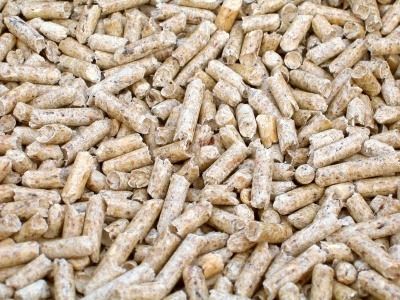
Questions will refer to the main design elements of the business model and actions the Government can take to enable deployment of this technology at scale, including steps to encourage the development of this industry, and any possible barriers to investment.
The consultation is specifically calling for views from prospective power BECCS projects, investors, non-governmental organisations and academics.
The consultation will also seek views on how it can help attract private investment to accelerate the development of this industry, to help boost Britain’s energy security, while also supporting new job opportunities across the country including industrial clusters developing carbon capture networks.
BCES technology generates energy from biomass and sustainable plant material while storing the carbon released in the process through carbon capture, usage and storage (CCUS) technology. The Government highlights this technology as offering the potential of ‘home-grown energy with negative emissions’.
The consultation will close at 1:45pm on 7 October.
Commenting on the launch, Business Secretary Kwasi Kwarteng said: “The Government is fully behind biomass energy to provide more power in Britain, for Britain.
“The more clean power we generate within the UK, the less exposed we’ll all be to volatile gas markets that are pushing up bills.
“Today’s plans could create an entirely new industry in our country, using sustainable biomass in a way that absorbs harmful carbon dioxide from the atmosphere.
“With these reforms, we will boost domestically-produced, cheaper and cleaner sources of energy to power Britain into the future.”


Get our weekly digest
resource.co article ai

How will the government and DMOs address the challenges of including glass in DRS while ensuring a level playing field across the UK?
There's no easy solution to include glass in the DRS while maintaining a level playing field. Potential approaches include a phased introduction of glass, potentially with higher deposits to reflect its logistical challenges. The government and DMOs could incentivise innovation in glass packaging design and subsidise dedicated return points for glass-handling. Exemptions for smaller businesses unable to handle glass might also be necessary. Any successful solution will likely blend several approaches. It must address the differing priorities of devolved administrations, balance environmental benefits with logistical and cost implications, and be supported by robust consumer education campaigns emphasizing the importance of glass recycling.