

Today (22 February), a new report from the Organisation for Economic Co-operation and Development (OECD) finds that just nine per cent of worldwide plastic waste is successfully recycled, with the majority going to landfill, being incinerated or polluting the environment.
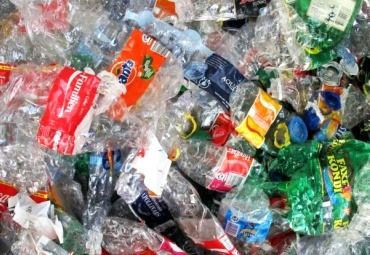
The report, entitled, ‘Global Plastics Outlook’, centrally targets poor collection and disposal of macroplastics, and environmental pollution by microplastics. Findings point to shortfalls in current policies to curb plastic pollution, with the amount of plastic waste produced doubling in the last two decades. The report notes that although current legislation is more effective in curbing littering, it makes minimal impact in reducing plastic consumption.
The OECD cites initiatives such as extended producer responsibility schemes, landfill taxes, deposit-refund and ‘pay-as-you-throw’ systems, as more impactful methods to reduce plastic use. An international approach, according to the body, should also aim to support low and middle-income countries to better their waste management practices.
Released in anticipation of the Fifth session of the United Nations Environment Assembly (UNEA 5.2) later this month, the report states that almost half of the world’s plastic waste comes from OECD countries, with the US alone producing 221kg of plastic waste per person annually.
Despite a 2.2 per cent reduction in plastics use throughout the COVID-19 pandemic, OECD finds that plastics consumption has rebounded, owing to a rise in litter from food takeaway packaging and disposable plastic medical equipment.
Whilst production of new, secondary materials from recycled plastics has more than quadrupled between 2000 and 2019, this represents only six per cent of total plastics production. The report highlights how secondary plastics are still seen as a substitute for virgin plastic, and require a ‘seperate and well-functioning market’ to grow. It further recommends setting recycled content targets and investing in improved recycling technologies to prepare for this development.
A global treaty for plastic pollution?
Last month saw industry urge action on plastic pollution, when a joint statement signed by over 70 global brands was released calling for ‘an ambitious international, legally binding instrument on plastic pollution’ to be established at the upcoming UNEA 5.2. In a white paper released last year, circular economy charity The Ellen MacArthur Foundation made similar recommendations.
A global plastics treaty has also found support in the general public, with a recent Ipsos poll revealing that nearly 90 per cent of the public would support the establishment of such a treaty at the UNEA 5.2.


Get our weekly digest
resource.co article ai

How will the government and DMOs address the challenges of including glass in DRS while ensuring a level playing field across the UK?
There's no easy solution to include glass in the DRS while maintaining a level playing field. Potential approaches include a phased introduction of glass, potentially with higher deposits to reflect its logistical challenges. The government and DMOs could incentivise innovation in glass packaging design and subsidise dedicated return points for glass-handling. Exemptions for smaller businesses unable to handle glass might also be necessary. Any successful solution will likely blend several approaches. It must address the differing priorities of devolved administrations, balance environmental benefits with logistical and cost implications, and be supported by robust consumer education campaigns emphasizing the importance of glass recycling.