

Refuse collection manufacturer FAUN Zoeller (FZUK), the company behind the Rotopress, is interested in developing long-term strategic partnerships with local authorities that share its ambition to reach net zero, in line with the Government’s 10-point plan for a green industrial revolution.
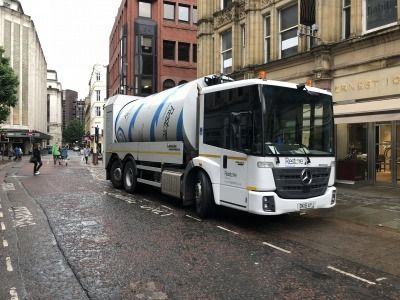
The subsidiary of the Kirchhoff Group intends to be at the forefront of developments for transport, helping meet the challenges of decarbonisation.Simon Hyde, Managing Director, said: “We are encouraging Local Authorities (LAs) to ‘hit the reset button’ when it comes to the environment, local transport, the waste strategy and the funding constraints for the public sector.“We are already in discussion with a number of LAs to inform them on how hydrogen and battery powered public sector fleets can make a big difference to tackling climate change and improving local air quality in their area.“Whilst we are a commercial organisation, we are not the type of business just interested in selling. We are encouraging LA’s to consider a longer term collaborative approach and engage with us constructively through data driven analysis on a long-term project.The Kirchhoff family is a fourth generation family business, so sustainable growth is our approach and future generations play a major part in our plans.”The Rotopress is a modern version of the original RCV and uses a rotating drum to compact material.Restore Datashred, a document shredding service, has been using the Rotopress since 2009 in a bid to reduce its fleet size and to meet sustainability goals.
Ian Walsh, Head of Fleet said, “When we first started using the Rotopress, it was really a leap of faith on my part and led the way for many more businesses to follow suit. It reduced our fleet size by over 20 vehicles due to the higher volume of paper that can be held in the drum.”


Get our weekly digest
resource.co article ai

How will the government and DMOs address the challenges of including glass in DRS while ensuring a level playing field across the UK?
There's no easy solution to include glass in the DRS while maintaining a level playing field. Potential approaches include a phased introduction of glass, potentially with higher deposits to reflect its logistical challenges. The government and DMOs could incentivise innovation in glass packaging design and subsidise dedicated return points for glass-handling. Exemptions for smaller businesses unable to handle glass might also be necessary. Any successful solution will likely blend several approaches. It must address the differing priorities of devolved administrations, balance environmental benefits with logistical and cost implications, and be supported by robust consumer education campaigns emphasizing the importance of glass recycling.