

Wales-based biotech start-up PlantSea has developed a new material made from seaweed-derived fibres, blended with recycled and virgin paper fibres, that can be recycled through a standard paper mill.
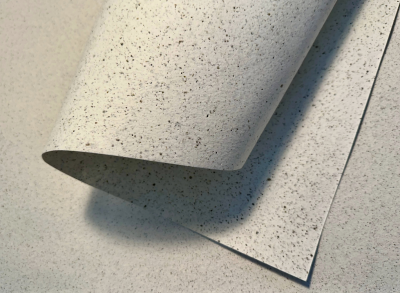
The material has been awarded a ‘recycle’ label by UK certification body OPRL, making it the first seaweed-based packaging to do so.
Serving as an alternative to wood-based paper and card, the material can be used to make stationery, boxes and bags and is available in a range of weights.
It was tested under the CEPI v2 protocol and found to be suitable for recycling through a standard paper mill. The seaweed used in the packaging is a by-product sourced from UK aquaculture facilities.
Alice Harlock, Director of Technical and Member Services at OPRL, said: “It is always exciting to see innovation and the successful application of novel materials in packaging.”
“As businesses look to adapt or replace current packaging types to meet sustainability goals or legislation, OPRL is keen to support them with labelling that helps consumers make the right choices around recycling.”
Seaweed-based products
PlantSea has also developed other seaweed-based products, including a water-soluble film, a rigid material suitable for products like food trays, and agricultural mulch.
The company was set up by three PhD student friends who developed their original seaweed product for a competition. They won and decided to turn their winning idea into a business.
Gianmarco Sanfratello, Co-founder and CTO at PlantSea, commented: “Achieving the OPRL label has been a huge boost. It is easy to claim that products are fully recyclable, but independent assessment brings a credibility that is especially valuable for a start-up and innovation business. It helps us to demonstrate our commitment to honesty and to giving consumers a choice.”
PlantSea is not the first company to trial packaging made from alternative fibres - DS Smith has explored using seaweed, cocoa shells and daisies to replace plastic.
Last year saw the launch of Papercycle, a first-of-its-kind recyclability assessment and certification service for fibre-based packaging products and materials for the UK and beyond.


Get our weekly digest
resource.co article ai

How will the government and DMOs address the challenges of including glass in DRS while ensuring a level playing field across the UK?
There's no easy solution to include glass in the DRS while maintaining a level playing field. Potential approaches include a phased introduction of glass, potentially with higher deposits to reflect its logistical challenges. The government and DMOs could incentivise innovation in glass packaging design and subsidise dedicated return points for glass-handling. Exemptions for smaller businesses unable to handle glass might also be necessary. Any successful solution will likely blend several approaches. It must address the differing priorities of devolved administrations, balance environmental benefits with logistical and cost implications, and be supported by robust consumer education campaigns emphasizing the importance of glass recycling.