

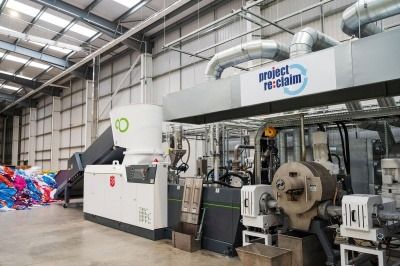
The processing equipment installed at a SATCoL processing centre in Kettering, Northamptonshire earlier this year, has now begun operations.
It will recycle polyester waste from discarded garments and other textiles into polyester pellets which can be spun into yarn and re-used by the fashion and textiles industries.
Despite many brands selling ‘recycled polyester’ clothing, these garments are almost never made from other polyester textiles, but usually from other sources of polyester such as PET bottles. ‘Recyclable polyester’ - i.e. textile-to-textile recycling - is relatively unexplored in the fashion industry.
Tim Cross, CEO of Project Plan B, highlighted the importance of the new innovation: “In the UK alone, 300,000 tonnes of textile items are discarded into household waste, including polyester. Up until now, polyester that had no useful life left would have been disposed of.”
“With this project, we can now save that waste and return it to supply chains. It’s a carbon saving, planet saving solution, and it plays a significant role in helping our collective journey to Net Zero.”
The Project Re:claim plant is on track to recycle 2,500 tonnes of polyester waste this year, with a further 5,000 tonnes in its second year of operation. The pellets are expected to be integrated into the manufacturing processes of new products in late 2024.
This news is welcome at a time when the Textile Recycling Association (TRA) has warned of potential collapse in the UK’s textile recycling industry due to processing plants being at full capacity.
Majonne Frost, Head of Environment and Sustainability at SATCoL, commented: “This partnership brings together the large-scale collection and processing capabilities of The Salvation Army, with the cutting-edge technology developed by Project Plan B and PURE LOOP.”
“Together we are working together to bring new solutions and services, at scale, that will help create a textile circular economy.”
Project Re:claim is not the only attempt to explore the viability of polyester recycling.


Get our weekly digest
resource.co article ai

How will the government and DMOs address the challenges of including glass in DRS while ensuring a level playing field across the UK?
There's no easy solution to include glass in the DRS while maintaining a level playing field. Potential approaches include a phased introduction of glass, potentially with higher deposits to reflect its logistical challenges. The government and DMOs could incentivise innovation in glass packaging design and subsidise dedicated return points for glass-handling. Exemptions for smaller businesses unable to handle glass might also be necessary. Any successful solution will likely blend several approaches. It must address the differing priorities of devolved administrations, balance environmental benefits with logistical and cost implications, and be supported by robust consumer education campaigns emphasizing the importance of glass recycling.