

Partnership prevents 500 million PP cups from reaching oceans whilst meeting European food contact standards through novel processing technology and controlled collection systems.
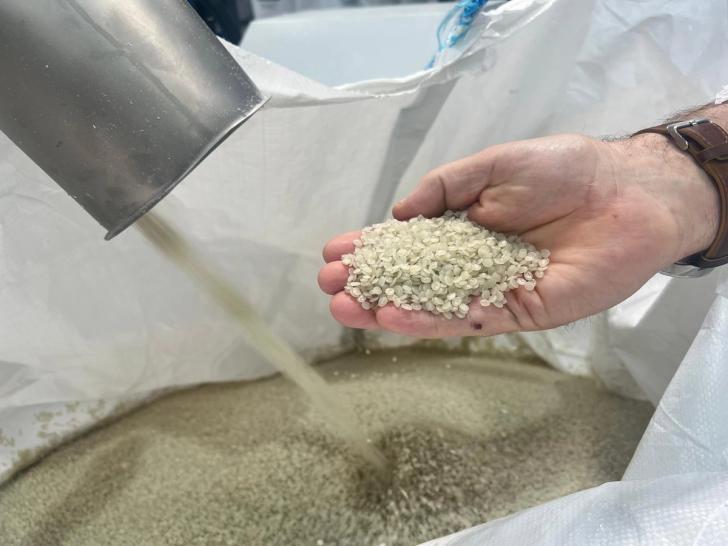
Prevented Ocean Plastic has announced the first food-safe polypropylene (PP) recycled to European standard EU 2022/1616, using materials collected from coastal communities at risk of ocean plastic pollution. The initiative is expected to prevent 500 million plastic cups from entering the ocean in its first year.
The collaboration brings together Prevented Ocean Plastic, Innovia Films (a division of CCL Industries), Spectra Packaging, Bantam Materials UK Ltd and Austrian processor PETMAN, using Starlinger Viscotec technology. PP makes up 19 per cent of global plastic production but has a post-consumer recycling rate of just 1 per cent, making it the second most common type of plastic polluting the ocean.
The project utilises PP cups collected at Prevented Ocean Plastic's East Borneo centre, which opened in 2024. Through a franchise model designed for at-risk coastal communities, the organisation intervenes before materials reach the ocean through controlled collection and sorting processes.
Processing technology enables food-grade compliance
The recycling process uses PETMAN's Austrian facility, which processes the collected material using Starlinger Viscotec's viscoZERO technology. This melt phase decontamination system was announced at K Trade three years ago and removes volatile contaminants whilst cleaning and homogenising the material.
Each batch undergoes third-party scientific testing according to industry standards, with the Austrian Competent Authority issuing registration numbers that enable compliance documentation. This allows Bantam Materials UK Ltd, owner of the Prevented Ocean Plastic programme, to bring the material to market meeting the required European standards.
PETMAN coordinates the NIAS (non-intentionally added substances) testing and measurements that have resulted in compliance with EU regulation 2022/1616. The facility can process other polyolefins and PET, with the capability to process different types of high-viscosity materials.
Industry applications and scaling plans
Early adopters include Innovia Films, which will produce BOPP flexible films, and Spectra Packaging, which will manufacture bottles and caps through blow moulding and injection moulding. Additional applications include trays for fruit, vegetables and protein packaging.
Neil Hudson, Technology Expert – Recycling & Sustainability at Innovia Films, said: "For Innovia a source of EU food contact approved polypropylene from a mechanically recovered post-consumer source is a game changer. We can now make films for label and flexible packaging in the food and beverage space and contribute to circularity and sustainability."
Recent guidance from European trade associations has established strict criteria for acceptable waste sources for food-grade recycled plastics, requiring materials to originate only from post-consumer municipal waste, food retail, food businesses or closed-loop recycling schemes.
The same collection and processing approach can be applied to other plastic types, with high-density polyethylene identified as the next target material.
Global plastic production reached 460 million tonnes in 2019, with approximately 11 million tonnes entering oceans annually. PP accounts for 16.5 per cent of floating microplastic fragments in the Mediterranean Sea and takes 20-30 years to break down in marine environments.
Raffi Schieir, Director of Prevented Ocean Plastic, said: "This is a monumental moment for ocean plastic prevention. This further proves that the Prevented Ocean Plastic franchise model can solve major plastic collection problems at scale and with dignity."
Gavin Chenery, Commercial Director at Spectra Packaging, added: "Through close collaboration across our valued supply chain, we've validated an EU-compliant, food-contact-safe rPP process that meets regulatory expectations and matches the performance our customers expect."


Get our weekly digest
resource.co article ai

How will the government and DMOs address the challenges of including glass in DRS while ensuring a level playing field across the UK?
There's no easy solution to include glass in the DRS while maintaining a level playing field. Potential approaches include a phased introduction of glass, potentially with higher deposits to reflect its logistical challenges. The government and DMOs could incentivise innovation in glass packaging design and subsidise dedicated return points for glass-handling. Exemptions for smaller businesses unable to handle glass might also be necessary. Any successful solution will likely blend several approaches. It must address the differing priorities of devolved administrations, balance environmental benefits with logistical and cost implications, and be supported by robust consumer education campaigns emphasizing the importance of glass recycling.