

Campaign group Feedback has released a report urging the EU to consider legally binding food waste reduction targets, observing a growing waste problem and lack of actionable change across the continent.
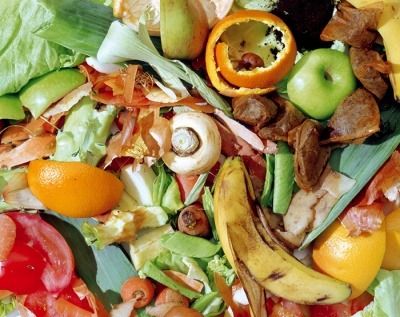
In light of previous food waste commitments made by the European Commission, No Time to Waste urges the EU to consider a mandated target of a 50 per cent farm-to-fork reduction in food waste by 2030.
The report comes in light of the EU’s six per cent contribution to global GHG emissions caused by food waste, with 153.5 million tonnes of food lost each year.
Despite its commitment to the UN’s Sustainable Development Goal (SDG) 12.3 in 2012, which seeks to halve food waste by 2030, Feedback has seen limited action from the EU in order to meet this target. This echoes pressure on the issue from the European Parliament.
The European Commission adopted the amended Waste Framework Directive (WFD) in 2018, binding member states to report and measure food waste targets, including decisions about ambition and scope for food waste targets. Despite this, the EU has yet to set feasible action for member states to achieve this goal.
A 50 per cent farm-to-fork reduction in food waste by 2030
According to the report, a legally binding 50 per cent reduction by 2030 would not only align with the EU’s previous agreement to Sustainable Development Goal (SDG) 12.3, but would formalise this commitment into law and accelerate action from member states to meet it. Such a commitment would also help in working towards the EU’s wider climate goals, such as support for food security, gender equality goals, promoting climate justice, and saving money for governments, businesses, and households.
Combined with this target, the organisation claims that a farm-to-fork approach would be considerably productive, as 33 per cent of EU food waste comes from food production, processing, and 48 per cent coming from the food service sector. It is therefore essential that this target, as it aims to reduce food waste across the union, covers the entire supply chain.
Further, the report aims to prove that such a target is achievable through ‘targeted and ambitious action’. This points to quick action from member states, with additional support from the EU, when utilising baseline figures from mandatory food waste measurement now undertaken across the Union. If legally binding, such an agreement would have much faster impact than it would if it was undertaken on a voluntary basis, as is demonstrated in other sectors.
Recommendations
Utilising its findings, Feedback provides recommendations for next steps for the EU and its member states, in order to achieve its wider targets and reach achievable outcomes.
Recommendations for the EU:
- Set a legally binding, 50 per cent by 2030 food waste reduction target
- Set a food reduction target that is farm-to-fork
- Extend mandatory food waste measurement to cover all primary production food waste, from the point at which food is mature enough to harvest
- Focus on industry leaders and the potential motivated by regulation when modelling the feasibility of a 50 per cent reduction target, rather than the limitations of past voluntary action
- Foster an enabling policy environment for member states to share information and act
- Allow member states to use 2015 baseline data on food waste levels
Recommendations for member states:
- Model the potential to achieve EU-level targets using ambitious policy tools
- Consider implementing the target by regulating food businesses of a certain size


Get our weekly digest
resource.co article ai

How will the government and DMOs address the challenges of including glass in DRS while ensuring a level playing field across the UK?
There's no easy solution to include glass in the DRS while maintaining a level playing field. Potential approaches include a phased introduction of glass, potentially with higher deposits to reflect its logistical challenges. The government and DMOs could incentivise innovation in glass packaging design and subsidise dedicated return points for glass-handling. Exemptions for smaller businesses unable to handle glass might also be necessary. Any successful solution will likely blend several approaches. It must address the differing priorities of devolved administrations, balance environmental benefits with logistical and cost implications, and be supported by robust consumer education campaigns emphasizing the importance of glass recycling.