

Fashion and footwear brands collaborate to tackle the complex challenge of footwear circularity, as 90 per cent of the world's shoes currently end up in landfills.
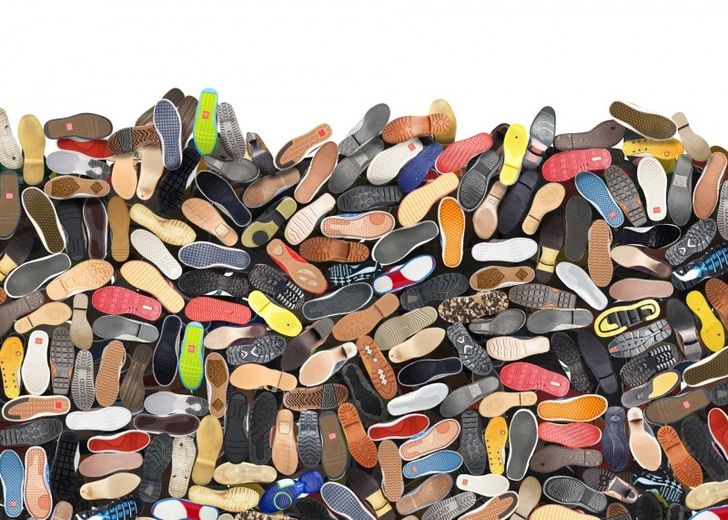
Fashion for Good has launched a circular economy initiative, bringing together 14 leading fashion and footwear brands to challenge the current linear “take-make-dispose” production model.
The ‘Closing the Footwear Loop’ project aims to address fundamental challenges including the lack of end-of-life infrastructure, complex multi-material designs, and the need for unified circularity approaches across the industry.
Currently, the footwear industry produces 23.8 billion pairs of shoes annually, with approximately 90 per cent ending up in landfills. Each shoe contains an average of 60 different components, from fabrics and plastic to rubber and adhesive, making recycling particularly challenging.
Commenting on the launch of the project, Katrin Ley, Managing Director of Fashion for Good, said: “'Closing the Footwear Loo represents our most ambitious effort yet to reimagine how we design, use, and dispose of shoes. By bringing together 14 leading brands, we're not just addressing a challenge—we're creating a blueprint for systemic change.”
Project deliverables and timeline
By 2025, the project aims to deliver a detailed map of European footwear waste streams in collaboration with Circle Economy, providing data on volumes, materials, rewearability, and recyclability, with the aim of releasing a final version of its guidelines and criteria for circular design.
A roadmap towards circular footwear design will then be developed, outlining principles for material selection, durability, recyclability, repairability, and responsible chemical management. This project will be undertaken with circular.fashion, who will be integrating footwear-specific criteria into Fashion for Good's existing software to provide interactive material and product-specific guidance.
The final phase hopes to validate end-of-us innovations through trials and impact assessments to drive industry-wide adoption, with recycled material outputs expected by 2026.
Fashion for Good are also developing a set of simplified one-pagers with infographics that will summarise the key principles of the project, to support brands that are embedding circularity into their product development processes.
Industry collaboration
The project brings together major brands including Adidas, DEICHMANN, Dr. Marten, Footwear Innovation Foundation (affiliated with FDRA), Inditex, lululemon, ON, Otto Group, Puma, Reformation, Target, Tommy Hilfiger, Vivobarefeet, and Zalando, as stakeholders. Participating brans will have the opportunity to pilot the interactive software and contribute feeback to the project to refine its functionality.
The initiative builds on Fashion for Good’s existing work in footwear sustainability, coming from its Pioneering the Future of Footwear program launched in August 2024. The project worked to identify four work streams (design, materials, end of use, and traceability) that needed intervention to improve footwear circularity.


Get our weekly digest
resource.co article ai

How will the government and DMOs address the challenges of including glass in DRS while ensuring a level playing field across the UK?
There's no easy solution to include glass in the DRS while maintaining a level playing field. Potential approaches include a phased introduction of glass, potentially with higher deposits to reflect its logistical challenges. The government and DMOs could incentivise innovation in glass packaging design and subsidise dedicated return points for glass-handling. Exemptions for smaller businesses unable to handle glass might also be necessary. Any successful solution will likely blend several approaches. It must address the differing priorities of devolved administrations, balance environmental benefits with logistical and cost implications, and be supported by robust consumer education campaigns emphasizing the importance of glass recycling.