

Europe’s largest smart waste installation is being planned in Madrid for this year by smart waste monitoring company, Sensoneo.
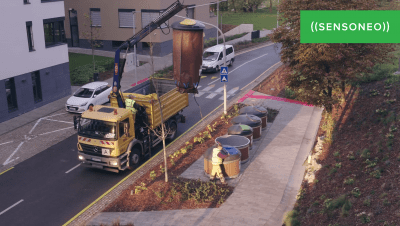
The company, which is based in Slovakia’s capital, Bratislava, says more than 11,000 sensors will be installed in bins that accept light packaging, textile, glass, organic and general waste. The collected data will be sent to the company’s Smart Waste Management Software System and used to plan waste collection routes, bring more efficiency to waste collection services and reduce emissions, traffic and noise.
Sensoneo says other benefits of smart waste monitoring include fuel and cost savings and reducing the time necessary for waste collection.
The network is being deployed in cooperation with local partner Candam, as part of the waste collection service contract for Madrid alongside Valoriza, Acciona and OHL Ingesan.
The installation is due to start imminently, with smart waste a part of Madrid’s strategy to become a benchmark ‘smart city’. Currently, there are a few thousand other smart sensor units installed across Europe. Sensoneo’s largest installation of sensors is currently in Buenos Aires with 4,500 sensors.
Martin Basila, co-founder and CEO of Sensoneo, said: “Our smart waste solutions have helped cities, businesses and countries all over the world bring more efficiency into waste management while reducing environmental footprint.
“Implementing smart waste technology on such a large scale is surely a milestone for both Sensoneo and the city of Madrid. I am happy more and more cities realise the importance of implementing technologies to improve the sustainability of waste services, and such a large smart waste installation will no doubt bring significant results.”
Benjamin Varese, Sales Director at Candam International, added: “In Spain and Southern Europe, .... waste management has not started utilising technology at a large scale.
“Although many cities are aware of the importance of the digitization of the waste sector, none have been able to commit to a big project. With Madrid as the capital having the largest smart waste project in Europe, we expect other cities in the region to join.”


Get our weekly digest
resource.co article ai

How will the government and DMOs address the challenges of including glass in DRS while ensuring a level playing field across the UK?
There's no easy solution to include glass in the DRS while maintaining a level playing field. Potential approaches include a phased introduction of glass, potentially with higher deposits to reflect its logistical challenges. The government and DMOs could incentivise innovation in glass packaging design and subsidise dedicated return points for glass-handling. Exemptions for smaller businesses unable to handle glass might also be necessary. Any successful solution will likely blend several approaches. It must address the differing priorities of devolved administrations, balance environmental benefits with logistical and cost implications, and be supported by robust consumer education campaigns emphasizing the importance of glass recycling.