

Preliminary research identifies which household appliances and consumer electrics have the most potential to reduce waste through repair.
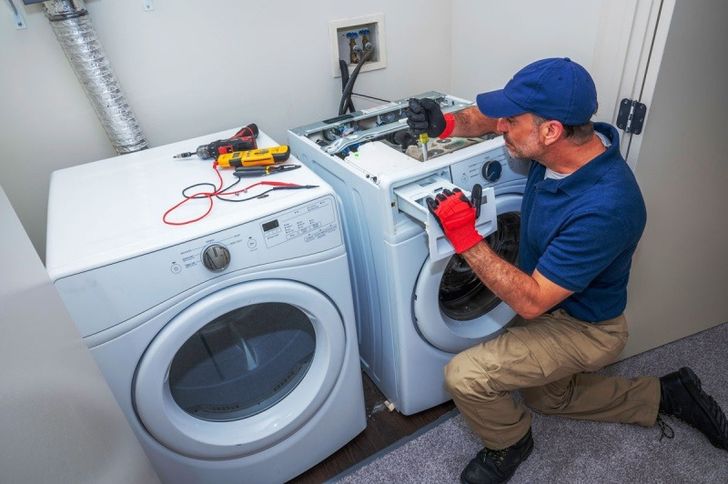
The European Commission has published a preliminary framework for an EU-wide reparability scoring system.
Developed by the Joint Research Centre (JRC), the system is designed to address product longevity through a consumer-friendly index that rates how easy it is to repair a product.
By focusing on consumer electronics and household appliances, the system identifies priority product groups where durability and repair potential could impact environmental outcomes.
Key product categories assessed in the study included:
- Small household appliances such as kettles, coffee machines, and toasters
- Consumer electrics, including televisions, gaming consoles, and printers
- Products outlined in the Ecodesign and Energy Labelling Working Plan 2022-24, such as dishwashers and washing machines
The JRC used a multi-criteria methodology to score each product group for reparability. This included factors like market penetration, consumer demand for repairs, failure frequency, and the environmental benefits of extending a product’s lifetime. It also considered the ease of disassembly, availability of spare parts, and the presence of repair manuals.
With the increasing prevalence of smart appliances and connected devices, the index also accounted for parameters like software-related durability and upgradeability.
Which products are the most reparable?
Products are given a score if their manufacturing is a relevant lifecycle stage from an environmental impact perspective, if they don’t need to be repaired too frequently, and if they are a relevant product for the consumer.
Products with a score are tested on a number of criteria, including how long the device is expected to last compared to how long it actually lasts, how durable its software is, if it can be reused or upgraded, and how complicated the product is to repair.
| Product | Expected vs actual lifetime | Software relevance | Upgrade/reuse relevance | Complexity | Score |
|---|---|---|---|---|---|
| Kettles | Medium | Low | Low | Low | 5 |
| Hair dryers | Low | Low | Low | Medium | 5 |
| Hair clippers, epilators and shavers | Low | Low | Low | Medium | 5 |
| Toasters | Medium | Low | Low | Medium | 6 |
| Blenders, hand mixers, grinders & juicers | Medium | Low | Low | Medium | 6 |
| Juice makers | Medium | Low | Low | Medium | 6 |
| Desktop PCs, Workstation | Low | Low | Medium | Medium | 6 |
| Local Space Heaters | High | Low | Low | Medium | 6 |
| Air conditioners | Medium | Low | Low | Medium | 6 |
| Ventilation units | Medium | Low | Medium | Low | 6 |
| Household dishwashers | Low | Low | Medium | Medium | 6 |
| Kitchen robots | Low | Low | Medium | High | 7 |
| Electric toothbrushes | High | Low | Low | Medium | 7 |
| Digital cameras | High | Low | Low | Medium | 7 |
| Network connected audio equipment | Medium | Medium | Low | Medium | 7 |
| Earbuds | Medium | Medium | Low | Medium | 7 |
| Headphone sets | Medium | Medium | Low | Medium | 7 |
| Air heating/cooling products | Medium | Low | Medium | Medium | 7 |
| Servers and data storage products | Low | Low | High | Medium | 7 |
| Welding equipment | Medium | Low | Medium | Medium | 7 |
| Professional refrigeration equipment | Low | Low | Medium | High | 7 |
| Refrigerating appliances w. a sales function | Low | Low | Medium | High | 7 |
| Household washing machines/washerdryers | Medium | Low | Medium | High | 8 |
| Refrigerating appliances (incl. household) | Medium | Low | Medium | High | 8 |
| Televisions | High | Medium | Medium | Medium | 9 |
| Monitors | High | Medium | Medium | Medium | 9 |
| 3D printers | Low | Medium | High | High | 9 |
| Smartwatches, Fitness trackers | Medium | High | Medium | Medium | 9 |
| TVs/Electronic displays | High | Medium | Medium | Medium | 9 |
| Coffee machines | High | Medium | Medium | High | 10 |
| Vacuum cleaners | High | Medium | Medium | High | 10 |
| Game consoles | Medium | High | High | High | 11 |
| Imaging equipment | High | High | Medium | High | 11 |
Table 1: Reparability scoring relevance assessment (excluding unscored items)
According to the initial score rankings, imaging equipment and game consoles score highest based on the reparability index, whereas small household alliances such as kettles and hair dryers scored the lowest.
The JRC emphasised that the success of this initiative will rely on further studies and close collaboration with stakeholders, ensuring the scoring system is both practical and effective for manufacturers, policymakers, and consumers.
The scoring initiative stems from broader EU policy objectives, including the proposed Ecodesign for Sustainable Product Regulation (ESPR), which highlights the importance of repair to reduce electronic and appliance waste.
It comes after the European Council approved the right-to-repair (R2R) directive in May 2024, which required manufacturers to repair technically repairable products.


Get our weekly digest
resource.co article ai

How will the government and DMOs address the challenges of including glass in DRS while ensuring a level playing field across the UK?
There's no easy solution to include glass in the DRS while maintaining a level playing field. Potential approaches include a phased introduction of glass, potentially with higher deposits to reflect its logistical challenges. The government and DMOs could incentivise innovation in glass packaging design and subsidise dedicated return points for glass-handling. Exemptions for smaller businesses unable to handle glass might also be necessary. Any successful solution will likely blend several approaches. It must address the differing priorities of devolved administrations, balance environmental benefits with logistical and cost implications, and be supported by robust consumer education campaigns emphasizing the importance of glass recycling.