

Waste prevention strategies need to overcome barriers to knowledge transfer and be adapted to local characteristics if Europe is to achieve its food waste reduction targets.
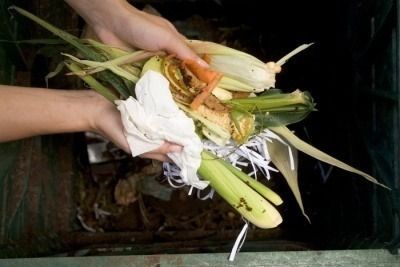
In the face of binding targets to halve food waste per capita in the EU by 2030, the Joint Research Council has published a report analysing opportunities and barriers affecting food waste prevention strategies.
The ‘Building evidence on food waste prevention interventions’ report focusses on evidence-based strategies to reduce waste and promote resource efficiency by evaluating the impact of different approaches—from improving supply chain efficiencies to encouraging consumer behaviour change.
The study, which features a literature review, survey evaluations, and a Life Cycle Assessment (LCA), aims to help achieve the food waste reduction targets set out by the European Commission in 2023 to decrease global food waste at the retail and consumer levels by 30 per cent and reduce food losses along production and supply chains by 10 per cent by 2030.
The main solutions recommended by the report include setting clear targets, implementing monitoring strategies, and ensuring long-term sustainability. Intersectional cooperation, such as redistribution schemes, and the use of innovative technologies, including image processing, machine learning and artificial intelligence, are also highlighted.
However, challenges such as limited funding, insufficient legislation, and collaboration barriers continue to hinder progress. The lack of monitoring and quantification for different intervention projects also meant that the report relied on academic studies, and calls for more case studies to fully understand the implications of each strategy.
Reduction strategies
Six prevention and intervention strategies are analysed, detailing the main opportunities and barriers that stakeholders may face to implementing them.
- Supply chain efficiency: After identifying causes such as technical and managerial inefficiencies, overproduction, and redundancy that create food waste hotspots, the report suggests that a standardised quantification and monitoring process is an ‘essential first step’ for prevention. Projects looking to improve supply chain efficiency benefited from communication strategies, acceptance of the constraints of the strategies, and a motivated team. However, fear of customer loss, staff resistance to change, and fluctuations in product availability prevented some projects from succeeding.
- Consumer behaviour change: The report identifies particular challenges with monitoring consumer behaviour, particularly due to reliance on self-reporting. It recommends various strategies including audience segmentation, tailoring of interventions, education for younger generations, and raising awareness, but emphasises that a one-size-fits-all approach won’t be applicable.
- Redistribution: The redistribution of surplus food from producers, manufacturers, and retailers via food banks is identified as the next preferred option after prevention. Collaboration with farmers, staff, volunteers, and local authorities helped successful projects. However, barriers such as securing funds, lack of legislation, and limited redistribution capacity of charities were also identified.
- Use for animal feed: The report stresses that monitoring regulatory advancements, locating plants near to the source of feedstock, and implementing technologies that can use as input multiple feedstocks to overcome seasonal and local fluctuations would help make these projects successful.
- Valorisation: Successful valorisation projects depended on context-specific factors including the characteristics of food products, processes and value chains. The environmental factors, such as high water consumption, also depended on the individual supply chain.
- Food waste prevention governance: Connection between government programmes and food waste reduction impact appeared hard to monitor, but the report emphasises that municipal and regional governance structures have emerged as importer catalysers for prevention.


Get our weekly digest
resource.co article ai

How will the government and DMOs address the challenges of including glass in DRS while ensuring a level playing field across the UK?
There's no easy solution to include glass in the DRS while maintaining a level playing field. Potential approaches include a phased introduction of glass, potentially with higher deposits to reflect its logistical challenges. The government and DMOs could incentivise innovation in glass packaging design and subsidise dedicated return points for glass-handling. Exemptions for smaller businesses unable to handle glass might also be necessary. Any successful solution will likely blend several approaches. It must address the differing priorities of devolved administrations, balance environmental benefits with logistical and cost implications, and be supported by robust consumer education campaigns emphasizing the importance of glass recycling.