

European Commission provides methodologies for calculating litter clean-up costs under Single-Use Plastics Directive nine months after Member State implementation deadline, addressing calculation challenges for tobacco filters, wet wipes, and beverage containers.
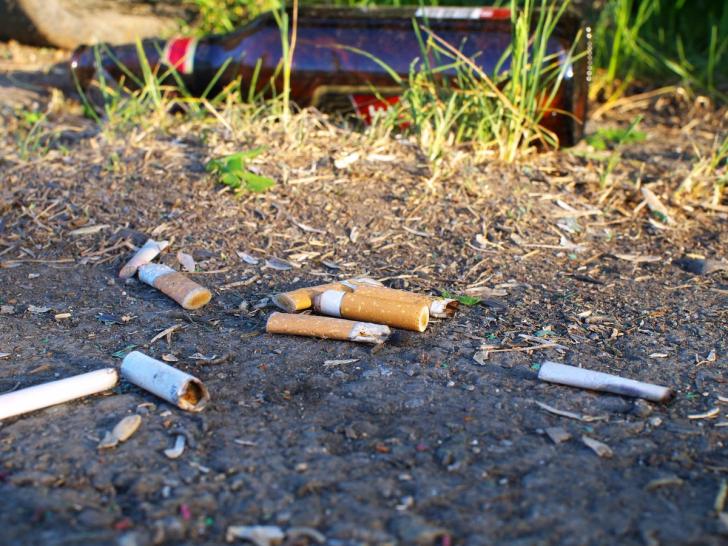
The European Commission has published detailed guidance on calculating litter clean-up costs, which is required by the Single-Use Plastics Directive, providing Member States with standardised methodologies for implementing Extended Producer Responsibility obligations that became mandatory at the end of 2024.
The Commission Notice, published on Friday (24 October), establishes criteria for how Member States should calculate and allocate costs for cleaning up litter from eight categories of single-use plastic products, including food containers, beverage containers, cups, wet wipes, cigarette filters, balloons, and lightweight carrier bags.
Member States were required to establish EPR schemes covering litter clean-up costs by 5 January 2023 for tobacco products with filters and 31 December 2024 for other covered products under Directive 2019/904. However, implementation has been inconsistent across the EU, with some countries awaiting methodological clarity before finalising their schemes.
Cost calculations
The guidance outlines two approaches for working out the share of single-use plastics in litter arisings. Input-based methodologies use market data on products placed on the market combined with littering rate estimates, whilst output-based methodologies rely on litter sampling studies to measure actual composition.
The Commission recommends measuring litter using three metrics – weight, volume, and item count – rather than a single measure. This approach recognises that different cleaning activities have different cost factors, with manual litter-picking costs driven by item count while the cost of transport relates more closely to volume.
Municipalities are directed to provide data on personnel costs including overhead, vehicle and equipment maintenance and depreciation, wastewater infrastructure cleaning costs, transportation expenses, and treatment costs.
The document states that waste collected at sewer system inlets, stormwater drains, and roadside gullies should be considered as litter, explicitly including wet wipes discarded in wastewater systems. This provision aims to address a significant cost burden for water utilities dealing with blockages caused by non-biodegradable wipes.
Once total litter costs are established, the guidance sets out how costs should be allocated between different product categories and then between individual producers. Fees should reflect market share, with producers paying according to the quantity of products they place on the market.
The guidance includes specific provisions for tobacco products with filters, noting that Member States must ensure tobacco industry compliance whilst respecting obligations under the WHO Framework Convention on Tobacco Control, which limits tobacco industry involvement in policy implementation.
Member States may set multiannual fixed amounts to minimise administrative costs where getting detailed data is disproportionately expensive.
Implementation
The guidance was developed following consultation with Member States through the committee established under the Waste Framework Directive and builds on a 2021 study commissioned by the Commission on developing litter clean-up cost methodologies.
Research by Eunomia has previously estimated that litter costs UK local authorities approximately £660 million annually (equivalent to more than £1.7m per council), with packaging accounting for more than half this figure based on a model measuring litter by count, weight, and volume to allocate costs between different materials.
While the UK is no longer bound by EU directives following Brexit, the approaches outlined by the Commission guidance may feed into evaluations about how litter costs could be included in the UK's packaging EPR scheme. Scotland and Wales have indicated support for including litter costs, whilst the Department for Environment, Food and Rural Affairs has previously expressed concerns about implementation complexity.


Get our weekly digest
resource.co article ai

How will the government and DMOs address the challenges of including glass in DRS while ensuring a level playing field across the UK?
There's no easy solution to include glass in the DRS while maintaining a level playing field. Potential approaches include a phased introduction of glass, potentially with higher deposits to reflect its logistical challenges. The government and DMOs could incentivise innovation in glass packaging design and subsidise dedicated return points for glass-handling. Exemptions for smaller businesses unable to handle glass might also be necessary. Any successful solution will likely blend several approaches. It must address the differing priorities of devolved administrations, balance environmental benefits with logistical and cost implications, and be supported by robust consumer education campaigns emphasizing the importance of glass recycling.