

The Environmental Services Association (ESA) has unveiled a range of graphics to warn the public of the risks of ‘zombie batteries’ this Halloween season.
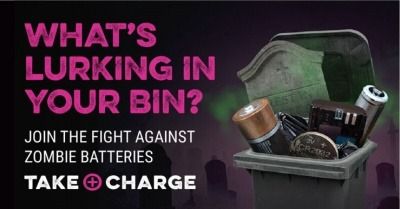
The set of graphics come as a component of the ESA’s ‘Take Charge’ campaign – first launched in 2020 – and aims to encourage consumers to ‘recycle batteries responsibly’ whilst raising awareness of the dangers that particular batteries can pose when not disposed of correctly.
The UK's recycling and waste management industry is experiencing a daily average of one major fire due to improperly disposed batteries. This concerning trend is on the rise, particularly as high-powered batteries are becoming more prevalent in various consumer electronic devices.
The ESA’s graphics are available to download from the ‘Take Charge’ campaign website, with organisations with an interest in the issue encouraged to share the assets across their social media platforms during the Halloween period.
The graphics can be downloaded and accessed for free, with users only required to register their details on the campaign website.
Accompanying the assets is a Supporter Guide containing recommended social media content to use alongside them, as well as additional messaging and content to share around the issue.
The ESA also provides a selection of year-round generic campaign assets available for download and use if preferred.
The Take Charge website has also introduced an improved and more precise tool for locating battery recycling points, through contributions from Material Focus and the Recycle Your Electricals campaign.


Get our weekly digest
resource.co article ai

How will the government and DMOs address the challenges of including glass in DRS while ensuring a level playing field across the UK?
There's no easy solution to include glass in the DRS while maintaining a level playing field. Potential approaches include a phased introduction of glass, potentially with higher deposits to reflect its logistical challenges. The government and DMOs could incentivise innovation in glass packaging design and subsidise dedicated return points for glass-handling. Exemptions for smaller businesses unable to handle glass might also be necessary. Any successful solution will likely blend several approaches. It must address the differing priorities of devolved administrations, balance environmental benefits with logistical and cost implications, and be supported by robust consumer education campaigns emphasizing the importance of glass recycling.