

The Environment Exchange (t2e) has announced that the two millionth tonne of Packaging Recovery Notes (PRNs) was traded on 22 December 2020. This marks the first time in t2e history that this milestone has been reached within one calendar year.
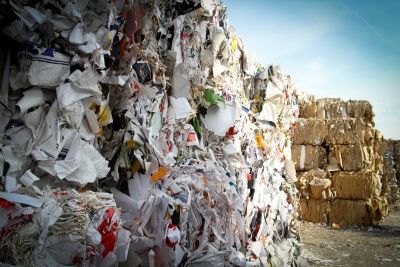
PRNs are certificates that provide evidence that a business has recycled, recovered or exported a tonne of packaging. They are issued to a business by an accredited reprocessor and are put on the open market to be purchased.
The Environmental Exchange facilitates these exchanges as the industry’s price index and trading platform.
PRNs are a key part of the Producer Responsibility Obligations (Packaging Waste) Regulations 2007, which was drafted to force producers of packaging to take responsibility for their environmental impact.
UK companies that produce packaging are required under this law to contribute to the cost of recycling this packaging, which can include purchasing PRNs.
The legislation applies to companies who manufacture, convert, pack or retail over 50 tonnes of packaging per year and have an annual turnover of £2 million, with the number of PRNs a company must buy depending on the activity they carry out.
The PRN system is used for aluminium, glass, paper, plastic, steel and wood recycling.
Angus Macpherson, t2e Managing Director, said: “Despite a year of challenging market conditions caused by Covid-19, over 2 million tonnes (t) were traded through t2e in 2020.
“A difficult year has seen a 22 per cent increase in Forward trading with participants looking for certainty by locking in prices as well as benefiting from the reduced Forward fees.
“The 28 Day Rolling Market, which launched earlier in the year has also proved attractive to participants with its extended settlement date, with a total of 148,130t traded. The 28 Day Rolling Market will reopen on the 1st February 2021”
“We would like to thank all our participants for their continued support in these tumultuous times.”


Get our weekly digest
resource.co article ai

How will the government and DMOs address the challenges of including glass in DRS while ensuring a level playing field across the UK?
There's no easy solution to include glass in the DRS while maintaining a level playing field. Potential approaches include a phased introduction of glass, potentially with higher deposits to reflect its logistical challenges. The government and DMOs could incentivise innovation in glass packaging design and subsidise dedicated return points for glass-handling. Exemptions for smaller businesses unable to handle glass might also be necessary. Any successful solution will likely blend several approaches. It must address the differing priorities of devolved administrations, balance environmental benefits with logistical and cost implications, and be supported by robust consumer education campaigns emphasizing the importance of glass recycling.