

The Environment Agency has labelled waste crime in England as ‘endemic’ in its progress report released on Tuesday (1 November). The report mostly includes data from 2021 and found that only 25 per cent of waste crime in England is reported, with 18 per cent – around 34 million tonnes, almost a fifth – of waste handled illegally at some point in the waste stream.
The Agency says that cutting waste crime is needed to ‘move England towards a circular economy’. In the 2018 to 2019 financial year, the cost of waste crime totalled £924 million.
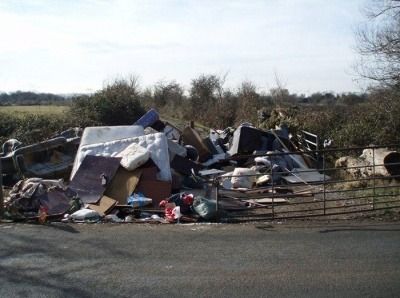
The report identified illegal dumping, illegal exporting of waste and the deliberate miscategorisation of waste as three chief types of waste crime.
The Agency says it believes that the number of illegal waste sites in the UK has reduced, with referrals from the public increasing. It acknowledges however that figures on illegal waste sites are often underreported. The research shows that areas with higher levels of deprivation, particularly in large urban areas, have a greater density of illegal waste sites and that these sites were more likely to contain hazardous materials.
The report found that businesses sometimes deliberately misdescribe waste as recyclable for exporting. This miscategorisation of waste led to the return of 260 waste containers to their site of loading in 2021. In one case an offender was fined £1.5 million.
A new strategy for tackling waste crime was introduced by the Agency in 2021 in which more proactive and preemptive measures are utilised. The Agency is part of the Joint Unit for Waste Crime which focuses on a ‘multi-agency, collaborative approach’ to tackling waste crime. In the 2021 to 2022 financial year 94 prosecutions for waste crime offences resulted in fines exceeding £6.2 million.
The chief executive of the Environment Agency, Sir James Bevan, said in a foreword to the report: “Done well, regulation maintains and increases standards and outcomes – it is simple to understand and strikes a balance between compliance and enforcement.
“Done well, regulation is agile and adaptable – it means keeping pace with changing expectations and understanding the interlink between the environment, economic drivers, and business behaviours.
“It is also proportionate – effective regulation with tougher punishments when required is critical if we are to create an environment for the future that we all want.
“I am hugely proud of the work of the Environment Agency that we set out in this year’s report and, more importantly, the people that do it. These achievements show that when regulation is done well, we really can support growth and create a better place for people, wildlife and the environment.”


Get our weekly digest
resource.co article ai

How will the government and DMOs address the challenges of including glass in DRS while ensuring a level playing field across the UK?
There's no easy solution to include glass in the DRS while maintaining a level playing field. Potential approaches include a phased introduction of glass, potentially with higher deposits to reflect its logistical challenges. The government and DMOs could incentivise innovation in glass packaging design and subsidise dedicated return points for glass-handling. Exemptions for smaller businesses unable to handle glass might also be necessary. Any successful solution will likely blend several approaches. It must address the differing priorities of devolved administrations, balance environmental benefits with logistical and cost implications, and be supported by robust consumer education campaigns emphasizing the importance of glass recycling.