

The development would process 120,000 tonnes of plastic film waste annually once both phases complete, though chemical recycling faces significant cost challenges compared with virgin plastic production.
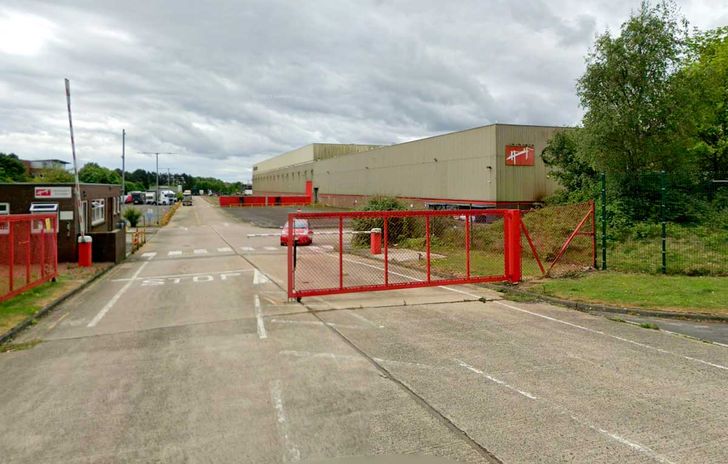
Chemical recycling company Endolys plans to develop a plastic film processing facility at Darlington's former Cleveland Bridge site, potentially creating up to 120 jobs. The development will feature pyrolysis oil production units processing shredded film waste into oil for the petrochemical sector.
The company has secured £60 million for the first phase, which will install six units capable of processing 60,000 tonnes of plastic film waste annually into 40,000 tonnes of pyrolysis oil. A second phase, requiring similar investment, would add equivalent capacity. Subject to planning and environmental approvals, phase one operations are expected to begin at the end of 2026.
All film waste will be sourced from municipal waste facilities, the company reports. The output has been contracted to a global oil distribution and trading company, with material exported to European petrochemical markets via Navigator Terminals at Seal Sands on the River Tees.
Development of the facility aims to address part of the projected domestic reprocessing capacity gap ahead of March 2027 requirement facing England's local authorities to collect plastic film at kerbside. Consumer flexible plastic currently has a seven per cent recycling rate in the UK.
However, questions about the economic viability are likely to arise, with research finding that chemical recycling of polyolefins currently costs more than twice as much as producing virgin materials in Europe.
‘Landmark investment’
The Endolys facility will use technology developed by Niutech Environment Technology Corporation, deployed in 40 plants globally. Installation will be provided by Tees Valley engineering firm Intelect.
"The former Cleveland Bridge site is ideal for what we need with an excellent building in which we can house our operations, superb road and rail links and existing grid and natural gas connections," said Michael Fox, Chief Executive of Endolys. "Even more importantly we have people in this area with the engineering and technical processing skills to meet our requirements."
Fox described the project as diverting plastic waste "including many single use items such as cups, straws and plastic bags away from incineration and landfill, converting them back into a useful product."
"This landmark investment by Endolys is fantastic news for Darlington and will breathe new life into the iconic former Cleveland Bridge site," added Tees Valley Mayor Ben Houchen. "As well as creating scores of well-paid, good-quality, skilled jobs, it will also put our region at the forefront of innovation in recycling and clean growth."


Get our weekly digest
resource.co article ai

How will the government and DMOs address the challenges of including glass in DRS while ensuring a level playing field across the UK?
There's no easy solution to include glass in the DRS while maintaining a level playing field. Potential approaches include a phased introduction of glass, potentially with higher deposits to reflect its logistical challenges. The government and DMOs could incentivise innovation in glass packaging design and subsidise dedicated return points for glass-handling. Exemptions for smaller businesses unable to handle glass might also be necessary. Any successful solution will likely blend several approaches. It must address the differing priorities of devolved administrations, balance environmental benefits with logistical and cost implications, and be supported by robust consumer education campaigns emphasizing the importance of glass recycling.