

A new study from Eunomia and QUNO demonstrates that removing subsidies could reduce plastic polymer production, with negligible impacts on consumer prices.
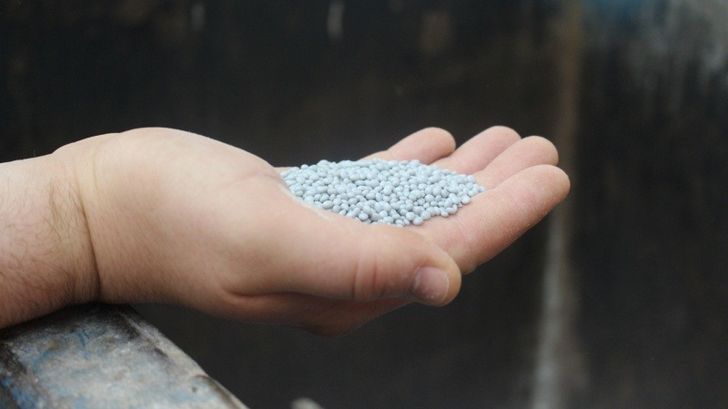
As the Intergovernmental Negotiating Committee (INC-5) meeting moves closer to finalising a Global Plastics Treaty, new findings from Eunomia and the Quaker United Nations Office (QUNO) demonstrate the viability of replacing plastics in the manufacturing process.
The Plastic Money: Turning Off the Subsidies Tap report considers the implications of the ending of subsidies from primary polymer production (PPP), which are used in many products used every day, such as packaging materials, consumer goods and clothing. These subsidies bring down the cost of producing plastics, and help plastic products compete with recyclable alternatives.
Subsidies for PPP are extensive, with three main categories:
- Capital-related support: Grants, concessional loans and public finance for investment in production facilities.
- Feedstock subsidies: Policies that lower the cost of raw materials through tax exemptions, price controls, or rebates.
- Process energy support: Subsidies for energy use in the production of monomers and polymers.
These subsidies are estimated to amount to $43 billion globally in 2024, projected to rise to $78 billion by 2050 if left unchecked.
Eunomia and QUNO’s research modelled scenarios across 71 economies and seven primary polymers by comparing a baseline scenario with an alternative model that assumes the removal of these subsidies.
The results of the study suggest that subsidies have long incentivised the overproduction of plastics, and that eliminating them could reduce primary polymer production. Globally, this would not only curb plastic production but also align with international goals to phase out environmentally harmful subsidies.
One concern raised about subsidy removal is its potential impact on consumer prices. However, the report finds that the effects on retail prices for plastic-containing products would be negligible, as shown in Table 1.
| Product sector | Product label | Average product price - original (US$) | Average product price - new (US$) | Average price increase |
|---|---|---|---|---|
| Packaging | Bottle of water | 0.662 | 0.664 | 0.75% |
| Packaging | Bottle of soft drink | 0.915 | 0.916 | 0.17% |
| Packaging | Juice box | 2.411 | 2.413 | 0.09% |
| Clothing | Dress | 38.56 | 38.6 | 0.08% |
| Flooring | Vinyl flooring (per kg) | 5.12 | 5.19 | 1.53% |
| Agriculture | Agricultural mulch film (per kg) | 52.05 | 52.29 | 3.16% |
Table 1: Impact on consumer product prices from removing subsidies to plastic production
These results come from the second phase of research, undertaken with support from Dalberg Catalyst through grant funding from the Rockefeller Foundation. Eunomia is planning further research to model partial subsidy removals, assess environmental benefits, and update country profiles.


Get our weekly digest
resource.co article ai

How will the government and DMOs address the challenges of including glass in DRS while ensuring a level playing field across the UK?
There's no easy solution to include glass in the DRS while maintaining a level playing field. Potential approaches include a phased introduction of glass, potentially with higher deposits to reflect its logistical challenges. The government and DMOs could incentivise innovation in glass packaging design and subsidise dedicated return points for glass-handling. Exemptions for smaller businesses unable to handle glass might also be necessary. Any successful solution will likely blend several approaches. It must address the differing priorities of devolved administrations, balance environmental benefits with logistical and cost implications, and be supported by robust consumer education campaigns emphasizing the importance of glass recycling.