

The Environmental Services Association has published a guide to develop heat networks from energy-from-waste facilities, as the sector targets a tenfold increase in heat output while government zoning policy mandates building connections in designated areas.
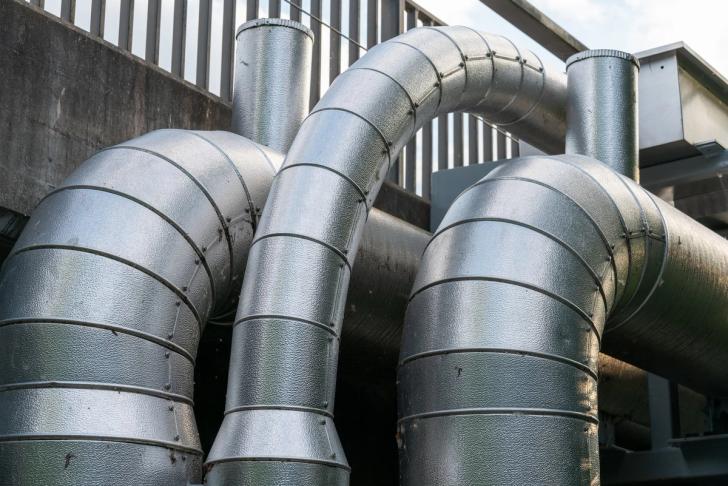
The Environmental Services Association (ESA) has published a guide to expand the development of heat networks connected to energy-from-waste facilities, as the sector targets a tenfold increase in heat output to 20,000 GWh annually.
The document, Energy-from-Waste Heat Networks: A Guide to Heat Offtake, sets out the development process from assessing waste demand to securing contracts and environmental permits. It provides checklists for both EfW operators and network developers to support the connection of facilities to district heating systems. The ESA has also launched an interactive online Heat Network Prospectus, which maps EfW facilities across the UK and provides information about the heat potential of each site.
Currently, only 12 of approximately 60 operational UK EfW facilities export heat at scale, including sites in Runcorn, Kemsley and Wilton. In 2024, UK EfW facilities exported 1,949 GWh of heat, a ten per cent increase on 2023. However, research cited in the guide indicates that existing EfW plants have the potential to produce 20,000 GWh of usable heat annually.
Heating accounts for a third of UK carbon emissions, yet heat networks serve less than three per cent of heat demand nationally. This contrasts with Denmark and Sweden, where heat networks provide 64 per cent and 53 per cent of heat demand respectively.
The Climate Change Committee has stated that heat networks need to provide approximately 20 per cent of UK heat by 2050 to enable the country to reach net zero emissions targets.
Barriers and policy support
Several barriers have prevented the expansion of EfW heat networks, including high upfront infrastructure costs, uncertain heat demand, and complex contractual arrangements between operators and local authorities.
The government's heat network zoning policy, which began implementation in 2025, aims to address these challenges by mandating certain businesses and new buildings to connect to heat networks in designated zones. The policy is intended to reduce the uncertainty around heat demand that has previously limited investment in district heating infrastructure.
Charlotte Rule, ESA Head of Climate and Energy Policy, said: "With heating accounting for a third of the UK's total emissions, and energy security under strain, EfW heat networks offer a cost-effective, low-carbon, and resilient solution. The guide published by the ESA outlines the technical, commercial, and regulatory considerations for developing heat offtake."
Household savings and environmental impact
Research cited in the guide indicates that households connected to heat networks could save between £4,000 and £22,000 on heating bills over a 25-year period compared with conventional systems, particularly in dense urban areas where EfW networks are most effective.
The guide explains that heat from EfW facilities is classified as low-carbon under the British Standard Assessment Procedure (SAP 10.2), with a carbon intensity of 0.015 kgCO2e per kWh when using a gas boiler back-up system. This classification is based on the principle that EfW facilities primarily provide a waste treatment service, with heat production being a by-product of an essential industrial process.
EfW facilities are expected to be included in the UK Emissions Trading Scheme from 2028, requiring operators to purchase allowances for their fossil carbon dioxide emissions. Approximately 50 per cent of carbon dioxide emissions from EfW are biogenic, with the remaining 50 per cent from fossil-based materials in the waste stream.
The guide provides technical details on three potential heat sources from combustion EfW facilities: direct heat offtake, where steam is diverted from electricity production; flue gas recovery, which captures heat from stack emissions; and low-grade heat recovery using heat pumps.


Get our weekly digest
resource.co article ai

How will the government and DMOs address the challenges of including glass in DRS while ensuring a level playing field across the UK?
There's no easy solution to include glass in the DRS while maintaining a level playing field. Potential approaches include a phased introduction of glass, potentially with higher deposits to reflect its logistical challenges. The government and DMOs could incentivise innovation in glass packaging design and subsidise dedicated return points for glass-handling. Exemptions for smaller businesses unable to handle glass might also be necessary. Any successful solution will likely blend several approaches. It must address the differing priorities of devolved administrations, balance environmental benefits with logistical and cost implications, and be supported by robust consumer education campaigns emphasizing the importance of glass recycling.