

Engineered bacteria can convert post-consumer PET plastic into L-DOPA, the primary medication for Parkinson's disease, offering a new route for both pharmaceutical production and plastic waste valorisation.
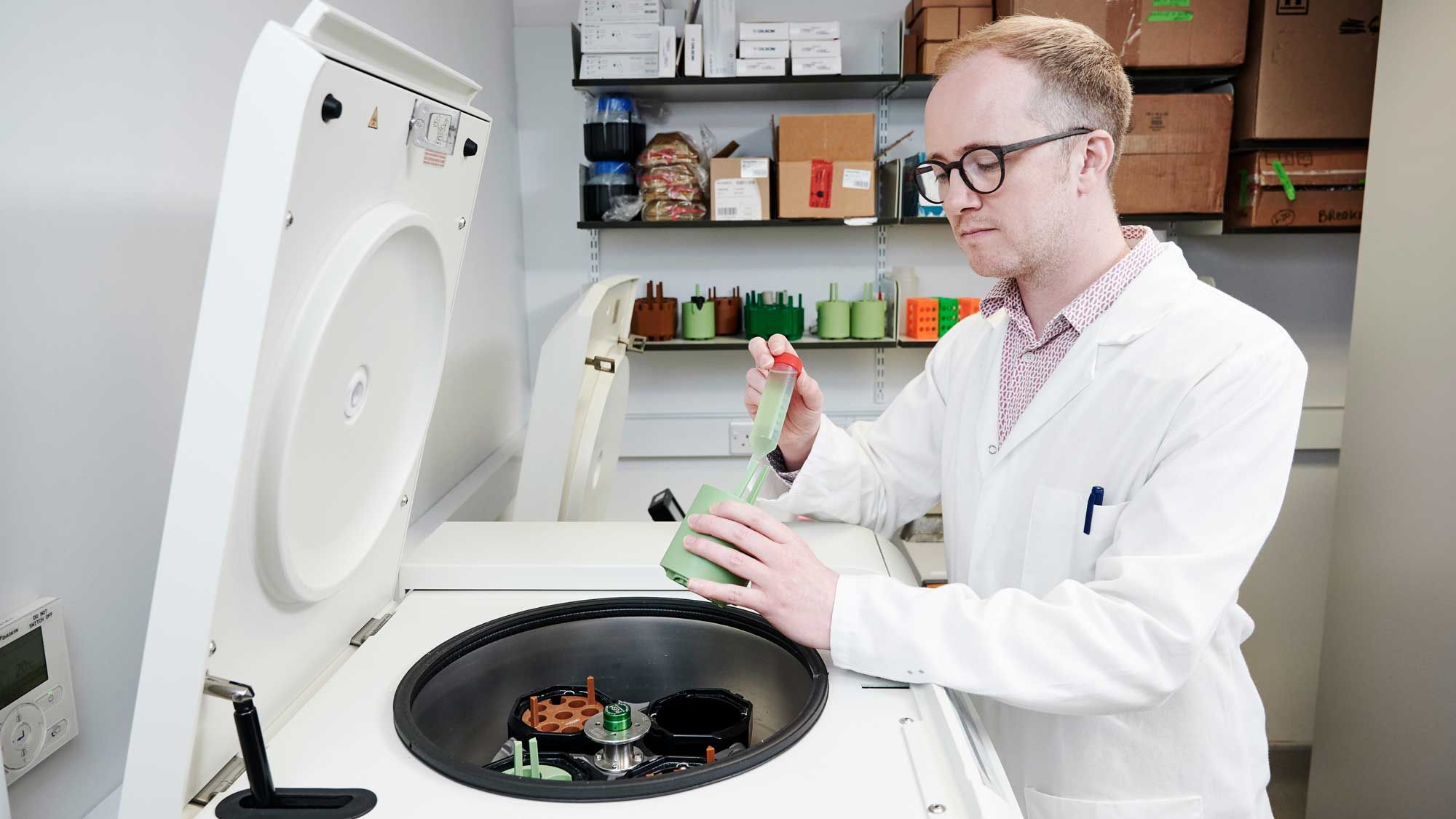
Scientists at the University of Edinburgh have engineered E. coli bacteria to transform waste plastic drinks bottles into L-DOPA, the frontline medication used to treat Parkinson's disease.
Published in Nature Sustainability, it is the first time a biological process has been used to convert plastic waste into a therapeutic for a neurological condition, according to the research team.
Polyethylene terephthalate (PET) waste is first broken down into its chemical building blocks of terephthalic acid. Engineered bacteria then convert terephthalic acid molecules into L-DOPA through a series of biological reactions.
PET waste as feedstock
Around 50 million tonnes of PET are produced globally each year. With mechanical recycling still unable to absorb more than a fraction of post-consumer PET arisings, the Edinburgh team argues that bio-upcycling offers a higher-value recovery route for material that might otherwise be lost in disposal.
Professor Stephen Wallace, of the University of Edinburgh's School of Biological Sciences, who led the study, said: "If we can create medicines for neurological disease from a waste plastic bottle, it's exciting to imagine what else this technology could achieve. Plastic waste is often seen as an environmental problem, but it also represents a vast, untapped source of carbon. By engineering biology to transform plastic into an essential medicine, we show how waste materials can be reimagined as valuable resources that support human health."
Producing L-DOPA through this route is more sustainable than conventional pharmaceutical manufacturing methods, which rely on finite fossil fuels, the team says. Chemical synthesis of L-DOPA, the standard commercial approach since it was first developed by Monsanto, requires expensive metal catalysts and has limitations around conversion rates.
L-DOPA is the most widely prescribed medication for Parkinson's disease, with the global levodopa market valued at approximately $1.87 billion in 2024. An estimated 166,000 people in the UK have a Parkinson's diagnosis, with up to 21,000 more thought to be living with the condition undiagnosed.
From lab to industry
Having demonstrated production and isolation of L-DOPA at preparative scale, the researchers will now focus on advancing the process towards industrial application, including optimising the technique, improving scalability, and assessing its environmental and economic performance.
Work was carried out at the Carbon-Loop Sustainable Biomanufacturing Hub (C-Loop), a £14 million facility supported by the Engineering and Physical Sciences Research Council (EPSRC), part of UK Research and Innovation (UKRI). Led by Wallace, the hub aims to convert industrial waste into sustainable chemicals and materials using engineering biology.
Wallace's group has previously used the same bacterial platform to convert PET waste into vanillin, adipic acid and paracetamol. The approach could open routes to producing flavourings, fragrances, cosmetics and industrial chemicals from plastic waste, they say.
Dr Liz Fletcher, Director of Impact and Deputy CEO at the Industrial Biotechnology Innovation Centre (IBioIC), said: "Turning plastic bottles into a Parkinson's drug isn't just a creative recycling idea, it's a way of redesigning processes that work with nature to deliver real-world benefits. By demonstrating that a harmful material can be converted into something that improves human health, the team is proving that sustainable, high-value applications of biology are both practical and effective."
Funding came from UKRI and IBioIC, with test lab and innovation centre Impact Solutions as an industry partner. Edinburgh Innovations, the University of Edinburgh's commercialisation service, is supporting the research.


Get our weekly digest
resource.co article ai

How will the government and DMOs address the challenges of including glass in DRS while ensuring a level playing field across the UK?
There's no easy solution to include glass in the DRS while maintaining a level playing field. Potential approaches include a phased introduction of glass, potentially with higher deposits to reflect its logistical challenges. The government and DMOs could incentivise innovation in glass packaging design and subsidise dedicated return points for glass-handling. Exemptions for smaller businesses unable to handle glass might also be necessary. Any successful solution will likely blend several approaches. It must address the differing priorities of devolved administrations, balance environmental benefits with logistical and cost implications, and be supported by robust consumer education campaigns emphasizing the importance of glass recycling.