

Packaging compliance scheme Ecosurety has acquired digital infrastructure supporting refill and reusable packaging schemes from environmental charity City to Sea, which closed in September.
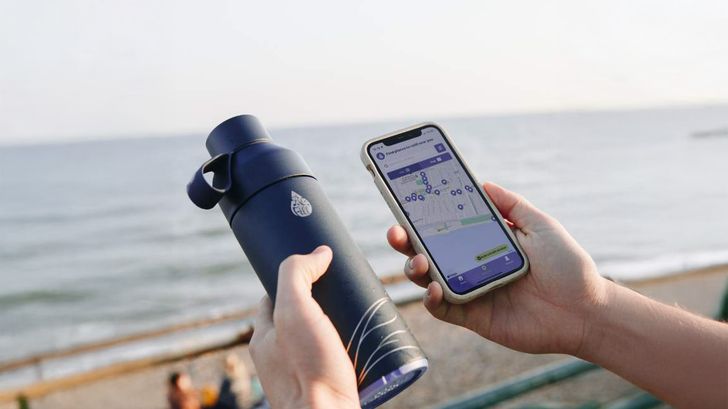
Packaging extended producer responsibility compliance scheme Ecosurety has acquired the Refill app, website and Return programme assets from environmental charity City to Sea, which announced its closure in September.
The acquisition includes City to Sea's digital infrastructure supporting refill and reusable packaging schemes across the country. Ecosurety states the assets will be integrated into its strategy to develop scalable packaging reuse systems nationwide.
City to Sea closed operations in September after a decade of campaigning, citing underfunding and a competitive grant environment. The Bristol-based charity's Refill app had been downloaded over 750,000 times and listed more than 370,000 refill stations worldwide. The network prevented an estimated 100 million single-use plastic bottles annually from entering the waste stream.
Robbie Staniforth, Innovation and Policy Director at Ecosurety, said: "We've worked closely with City to Sea for many years, united by our shared commitment to sustainability and innovation. Their values have always aligned closely with ours, and when alerted to their potential closing, we worked together to secure a legacy for the brilliant assets they have created over the past decade."
Will Ghali, CEO at Ecosurety, added: "We are excited to accelerate the shift from single-use to reuse, which brings Ecosurety a step closer to fulfilling our mission of ridding the world of unnecessary packaging."
Refill Return returns
The Refill app will continue to connect users with participating businesses including Costa Coffee, Pret A Manger and Starbucks, alongside many independent outlets. The Refill campaign had grown to include over 420 local schemes across the UK, ranging from community groups to local authority initiatives.
Recent schemes have demonstrated commercial viability. Cardiff's Refill Return Cup initiative, launched in partnership with City to Sea, achieved 2,500 cups borrowed and 97 per cent return rates within its first month of operation.
Ecosurety previously supported City to Sea's Bristol Refill Cup Scheme through its £1 million Ecosurety Exploration Fund in 2022. The scheme aimed to prevent 250,000 single-use hot drink cups from entering the waste stream daily.
Jane Martin, CEO at City to Sea, said: "We're delighted that Ecosurety will continue the journey we started. Their expertise in compliance and data, combined with our legacy of advocacy, behaviour change and community engagement, creates a powerful platform for change."
EPR implementation advancing reuse
The acquisition coincides with the implementation of packaging extended producer responsibility (pEPR), which aims to incentivise more sustainable packaging choices and support reuse systems, as reusable packaging is only charged when first placed on the market.
The Waste and Resources Action Programme's UK Plastics Pact requires member retailers including Tesco, Sainsbury's and Asda to commercialise at least two reusable packaging systems by end-2025.
Staniforth added: "The acquisition of their Refill Return platform strengthens our ability to develop scalable packaging reuse systems."
Ecosurety operates as a packaging EPR compliance scheme, helping businesses meet producer responsibility obligations. The company received B Corp certification in 2020.


Get our weekly digest
resource.co article ai

How will the government and DMOs address the challenges of including glass in DRS while ensuring a level playing field across the UK?
There's no easy solution to include glass in the DRS while maintaining a level playing field. Potential approaches include a phased introduction of glass, potentially with higher deposits to reflect its logistical challenges. The government and DMOs could incentivise innovation in glass packaging design and subsidise dedicated return points for glass-handling. Exemptions for smaller businesses unable to handle glass might also be necessary. Any successful solution will likely blend several approaches. It must address the differing priorities of devolved administrations, balance environmental benefits with logistical and cost implications, and be supported by robust consumer education campaigns emphasizing the importance of glass recycling.