

The Environment Agency has served information notices on 42 exporters since introducing enhanced verification checks in October 2025, with wider reforms to green list waste shipments and a charging scheme consultation planned for 2026.
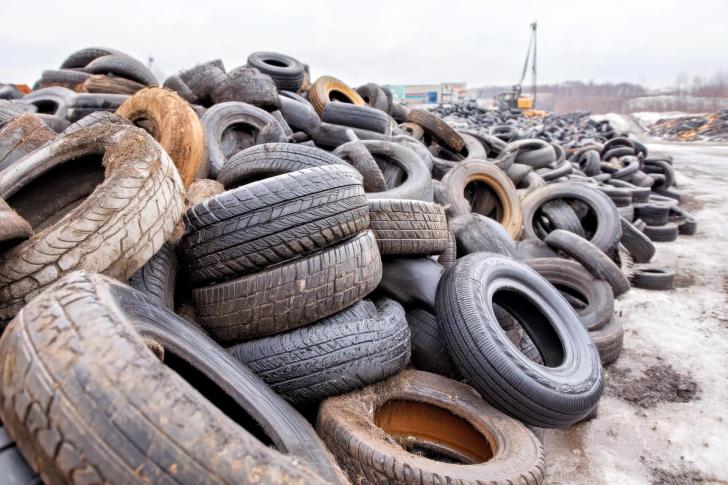
The Environment Agency (EA) has approved 41 Indian recovery facilities to receive waste tyre exports from England, while prohibiting shipments to 13 sites that failed to meet environmentally sound management (ESM) standards.
The approvals follow the EA's introduction of enhanced verification checks on 1 October 2025, which require exporters to demonstrate that destination facilities meet UK-equivalent environmental protection standards before shipments can proceed.
Between October and mid-December 2025, it served information notices on 42 exporters requiring details of their intended shipments, having received 1,093 Annex VII waste movement forms during this time, providing data on both Indian and alternative destinations.
Training and partnership development
The implementation plan, published yesterday (12 January), confirms the EA has prioritised training for staff assessing ESM evidence and Annex VII submissions under the new verification process. It is also developing mandatory e-learning modules to reflect the review findings, including a new ESM-specific module with a target completion date of April 2026.
Interactive training sessions on ESM have been delivered to teams directly regulating international waste shipments since December 2025, with wider rollout planned for 2026.
The verification regime follows an internal review published in July 2025 that acknowledged a proportion of UK waste tyres were likely being diverted to illegal pyrolysis operations in India, despite that country prohibiting such imports since July 2022.
India's prohibition on importing waste tyres for pyrolysis was introduced through amendments to its Hazardous and Other Wastes (Management and Transboundary Movement) Rules, published in the Gazette of India in July 2022. The rules form part of India's Extended Producer Responsibility framework for waste tyres, which requires producers to meet recycling targets and establishes a certification system for domestic recyclers.
The EA admits it was unaware of India's import prohibition for six months after it came into force. The delay in recognising the regulatory change meant exports of waste tyres for pyrolysis to India were prohibited under Article 36(1)(f) of the UK Waste Shipment Regulations, yet continued without intervention.
International collaboration
The implementation plan provides some details of strengthened partnership working with Indian environmental authorities. In September 2025, EA representatives visited India to explore collaboration on waste crime enforcement and refine the evidence requirements for the enhanced verification process.
The regulator states it is contributing to Basel Convention working groups developing updated global guidelines for managing used and waste tyres. A Small Intersessional Working Group meeting is scheduled for March 2026, with the EA providing detailed comments on draft guidance.
Industry engagement has included attendance at sector events, a webinar for exporters, and meetings with operators, which the EA says has helped refine its approach and develop targeted interventions based on shared intelligence.
Wider reform plans
The EA has also signalled plans for wider-ranging reforms to international waste shipments beyond tyres. It states that current Article 18 (green list) rules create opportunities for poor-quality and contaminated waste exports, and has outlined its aim to implement improved compliance activity.
Reform proposals include additional compliance officers, better data systems, and digital tools to target high-risk shipments. A charging scheme for green list waste movements to fund increased enforcement is planned for consultation in early 2026.
The regulator states it intends to apply lessons from the waste tyre checks to other green list waste streams later in 2026, ahead of the longer-term introduction of Digital Waste Tracking.
A further update on the enhanced verification checks, including details of completed Annex VII forms due from 22 December 2025, is scheduled for spring 2026. The EA says it will consider prohibiting further shipments to destinations where required documentation is not provided.


Get our weekly digest
resource.co article ai

How will the government and DMOs address the challenges of including glass in DRS while ensuring a level playing field across the UK?
There's no easy solution to include glass in the DRS while maintaining a level playing field. Potential approaches include a phased introduction of glass, potentially with higher deposits to reflect its logistical challenges. The government and DMOs could incentivise innovation in glass packaging design and subsidise dedicated return points for glass-handling. Exemptions for smaller businesses unable to handle glass might also be necessary. Any successful solution will likely blend several approaches. It must address the differing priorities of devolved administrations, balance environmental benefits with logistical and cost implications, and be supported by robust consumer education campaigns emphasizing the importance of glass recycling.