

Analysis of 80 systems around the world finds correlation between schemes and litter reduction.
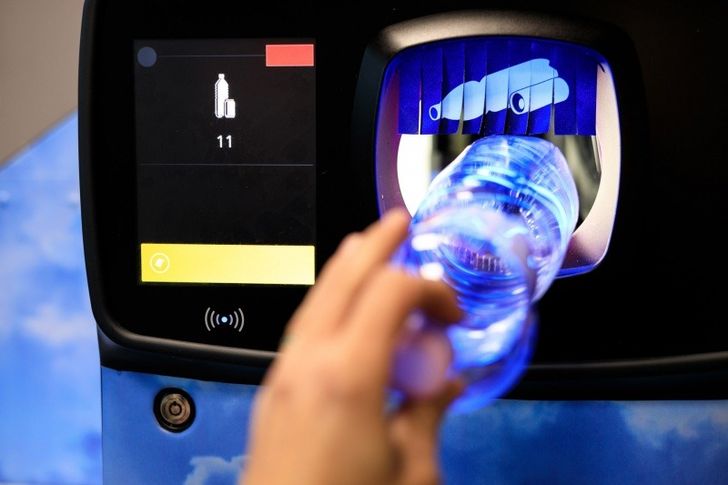
Research spanning many jurisdictions demonstrates the power of financial incentives in tackling waste litter through the use of deposit returns schemes (DRS).
Places with a DRS have 54 per cent less drinks container litter than those without schemes, according to analysis from Reloop.
The ‘Littered with Evidence’ report examines litter composition data from across 80 countries to assess the impact of deposit return schemes on waste levels, finding litter reduced for plastic, metal, and glass containers.
The study tracks changes in beverage container litter following scheme introduction or expansion, using comparative studies to analyse litter data from regions with and without deposit systems. The data comes from case studies across Europe, North America, Australia and other regions, aiming to identify patterns across different geographically and policy contexts.
Deposit return schemes work better with lower cost burdens
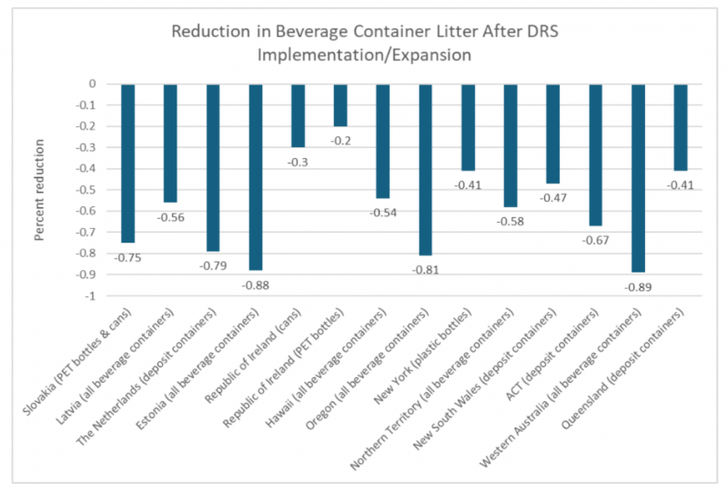
According to the report, several jurisdictions recorded substantial litter reductions after implementing deposit return schemes. Slovakia saw a 75 per cent decrease in metal can litter and a 72 per cent reduction in plastic bottle litter within two years of introducing its scheme in January 2022.
The graph below shows the overall decline in litter in countries after implementing deposit return schemes, with over 350 million people now having access to a scheme.
Comparative analysis showed similar patterns. European countries with deposit return systems recorded plastic bottles averaging 0.5 per cent of total litter by count in 2023, compared to 3.2 per cent in countries without schemes.
The study found that higher deposit values correlated with lower litter rates. Oregon and Michigan, operating 10-cent deposits, achieved lower beverage container litter rates than states with 5-cent deposits.
Sarah Horner, UK and Ireland Director at Reloop, commented: “As world leaders meet in Nice to discuss policies on addressing marine pollution, it is important that they recognise the advantage of deposit return schemes as a vital tool for securing these environmental benefits.”
Catherine Gemmell, Policy and Advocacy Manager at the Marine Conservation Society added: “We know that deposit return schemes work in tackling litter. The scheme stops items like bottles and cans ending up in our seas and posing a threat to precious marine life like seals and seabirds.”
New systems need to build on current waste infrastructure
The report also showed discrepancies between litter measurement by item count versus volume. While beverage containers represent only four per cent of litter by count in the UK, they constituted 50 per cent by volume.
The cost of cleanup facing municipalities and taxpayers is also notable, with European ground litter management costing an estimated €13 billion annually, whilst United States cleanup expenses reach $11.5 billion per year.
Discussing the benefits of the schemes, Clarissa Morawski, CEO of Reloop, said: “Well-designed deposit return systems offer a practical, proven solution. By significantly reducing beverage container litter, and often cutting general litter levels as well, deposit return schemes help address the issue at its source.”
The research highlighted the importance of deposit return systems' compatibility with existing waste management infrastructure, noting that most regions implementing schemes already operated extended producer responsibility programmes and kerbside recycling. This compatibility enables deposit return systems to complement rather than replace established waste management approaches.
The study identified system design elements that may influence effectiveness, including deposit value levels, programme scope covering different container types, and convenience of return infrastructure. However, the relative importance of these factors was not quantified.


Get our weekly digest
resource.co article ai

How will the government and DMOs address the challenges of including glass in DRS while ensuring a level playing field across the UK?
There's no easy solution to include glass in the DRS while maintaining a level playing field. Potential approaches include a phased introduction of glass, potentially with higher deposits to reflect its logistical challenges. The government and DMOs could incentivise innovation in glass packaging design and subsidise dedicated return points for glass-handling. Exemptions for smaller businesses unable to handle glass might also be necessary. Any successful solution will likely blend several approaches. It must address the differing priorities of devolved administrations, balance environmental benefits with logistical and cost implications, and be supported by robust consumer education campaigns emphasizing the importance of glass recycling.