

Defra has released new guidance for businesses ahead of the 1 October 2023 ban on specific single-use plastic items.
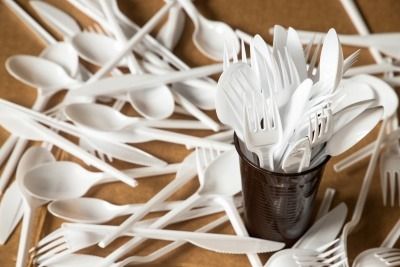
The ban was confirmed on 14 January this year following a 12-week consultation that ended in February 2022. The ban – which only applies in England – includes plates, trays, bowls, cutlery, balloon sticks, and expanded and extruded polystyrene (EPS) food and beverage containers (including cups). ‘Single use’ means the item is meant to be used only once for its original purpose.
Defra has confirmed that the ban will apply to online and over-the-counter sales and supply, items from new and existing stock, all types of single-use plastic – including biodegradable, compostable, recycled and items wholly or partly made from plastic, including coating or lining.
Businesses that continue to sell the banned items after 1 October could face fines – including the cost of any investigation. Fines can be appealed within 28 days.
Inspectors are expected to enforce the ban by visiting shops or stores, making test purchases, speaking to staff and reviewing business records.
Defra advises that businesses prepare by using up existing stock ahead of October, and finding reusable alternatives to or sourcing different materials for the banned items.
Exemptions to the single-use plastic ban
There are exemptions in certain cases:
- The business is supplying plates, bowls or trays to another business;
- Plates, bowls or trays that are packaging (pre-filled or filled at the point of sale);
- Polystyrene containers if the food or drink it contains will need further preparation before it is consumed. For example, adding water, microwaving, or toasting.


Get our weekly digest
resource.co article ai

How will the government and DMOs address the challenges of including glass in DRS while ensuring a level playing field across the UK?
There's no easy solution to include glass in the DRS while maintaining a level playing field. Potential approaches include a phased introduction of glass, potentially with higher deposits to reflect its logistical challenges. The government and DMOs could incentivise innovation in glass packaging design and subsidise dedicated return points for glass-handling. Exemptions for smaller businesses unable to handle glass might also be necessary. Any successful solution will likely blend several approaches. It must address the differing priorities of devolved administrations, balance environmental benefits with logistical and cost implications, and be supported by robust consumer education campaigns emphasizing the importance of glass recycling.