

UK and Welsh Governments launch joint review to close loopholes exploited by illegal waste fraud, following Dan Corry’s recommendations to ‘sharpen’ approach to licenses and permits.
The UK and Welsh Governments have launched an eight-week joint consultation on reforming environmental permitting regulations for England and Wales.
The proposed changes would give regulators new powers to define types of regulated facilities exempt from permitting requirements, including steps to close exemptions abused by rogue waste operators.
It builds on recommendations from Dan Corry's review of the Department for Environment, Food & Rural Affairs’ (Defra) regulatory landscape, which identified significant issues in the waste sector requiring regulatory attention.
Corry's review highlighted that "the scale of waste criminality, including illegal dumping, waste sites and misdescription of waste, causes significant cost to the economy and undermines the economic activity of those who are compliant and trust in the system from customers."
His findings also stated that “Defra needs to significantly sharpen the approach to how it issues licenses and permits, and how it then monitors and enforces compliance,” and recommended a review of the entire approach to enforcement and sanctions for environmental regulation.
Exemptions Reform to the Environmental Permitting (England and Wales) Regulations consultation
The consultation, which is open until 8 April, aims to get stakeholder feedback on reforms to the environmental permitting regulations including:
- Whether regulators should have new powers to amend exempt facilities
- How new powers should be limited or safeguarded, including limits such as the scale of activity, risk to the environment, or proximity to sensitive sites
- What process should be followed when using the new powers, such as whether consultations should be required
- Whether waste exemptions should require risk assessments and additional information
- Assessing the economic and environmental impacts of proposed changes on waste operators and the wider industry
- Whether further restrictions or oversight are needed when an exemption is suspended or revoked
Explaining the purpose of the consultation, Emma Hardy, Environment Minister, said: “This Government is committed to delivering streamlined, hassle-free regulation that protects the environment while also driving economic growth.”
Challenges in permitting the waste sector
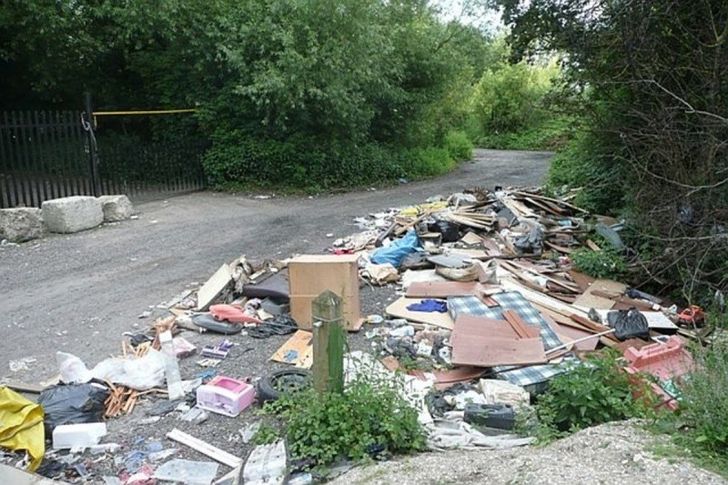
A key focus of the reforms is addressing issues in the waste sector, including the abuse of exemptions by rogue operators. Waste crime costs the English economy an estimated £1 billion per year, with the Environment Agency warning of a dramatic rise in waste export fraud last year.
The Agency reported evidence of sophisticated money laundering networks established to receive proceeds from various fraudulent activities, including Packaging Export Recycling Note fraud and illegal waste management practices such as flytipping.
The Environment Agency's Chief Regulator's Report for 2023-24 notes that while overall compliance with environmental permits was high in 2023, non-compliance within the waste sector was significantly higher compared to other regulated industries. The report specifically highlights persistent poor performers within the waste industry—facilities demonstrating non-compliance for two or more consecutive years.
Rogue waste operators frequently exploit the current system by operating without proper waste carrier licenses, which are essential for ensuring waste is handled and disposed of legally and safely.
The government has previously announced plans to remove three waste exemptions most frequently abused, including those covering the use of depolluted end-of-life vehicle parts, the treatment of tyres, and the recovery of scrap metal.
A recent BBC on File 4 investigation demonstrated the extent of abuse of end-of-life tyre waste regulations, which sees around 70 per cent of tyres exported from the UK to India being burnt in pyrolysis plants.
The Government’s Regulatory Action Plan
The consultation forms part of the government's broader Regulatory Action Plan for environmental and planning regulation.
It aims to address the current lengthy process for changing which activities are exempt and the conditions that apply, which has led to delays in implementing necessary changes in the past.
Currently, the environmental permitting system employs a tiered approach with three permit types based on environmental risk and operational complexity. Bespoke Permits are designed for large-scale installations and facilities undertaking complex activities. Standard Rules Permits cover common, well-defined activities with a fixed set of rules.
The third type of permit is Exemptions for certain low-risk, small-scale waste operations. While these activities do not require a specific environmental permit, operators must still register the exempt activity with the relevant regulatory agency and comply with specified conditions.
Jo Nettleton, Chief Regulator at the Environment Agency, commented: “The Environment Agency firmly believes protecting the environment and sustainable development go hand-in-hand and we support the Government’s aim to get the economy growing.
“We welcome the proposed reforms to environmental permitting, which will empower us to carry out our role as a fair and proportionate regulator for people and the environment while supporting business and sustainable economic growth.”
Sam Corp, Head of Regulation at the Environmental Services Association, added: "We are starting to see some improvements to the permitting process, but there is still much more to achieve and any delays in the permit process stifle development and run counter to the government’s growth agenda. Whilst we are not expecting these proposals to lead to significant improvements to the speed of permitting, they are none the less welcome, and should lead to some streamlining and increased agility in environmental regulatory activity, as well as facilitating innovation for new environmental practices and technology."


Get our weekly digest
resource.co article ai

How will the government and DMOs address the challenges of including glass in DRS while ensuring a level playing field across the UK?
There's no easy solution to include glass in the DRS while maintaining a level playing field. Potential approaches include a phased introduction of glass, potentially with higher deposits to reflect its logistical challenges. The government and DMOs could incentivise innovation in glass packaging design and subsidise dedicated return points for glass-handling. Exemptions for smaller businesses unable to handle glass might also be necessary. Any successful solution will likely blend several approaches. It must address the differing priorities of devolved administrations, balance environmental benefits with logistical and cost implications, and be supported by robust consumer education campaigns emphasizing the importance of glass recycling.