

The Department for Environment, Food and Rural Affairs has published grant determinations totalling £88.4 million for local authorities to establish weekly food waste collections ahead of the March 2026 legal deadline.
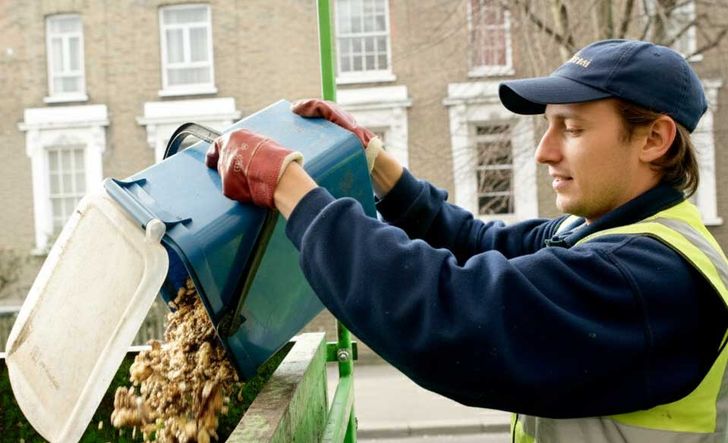
The Department for Environment, Food and Rural Affairs has provided details of £88.4 million in food waste collection grants to local authorities in England through three funding determinations.
The three grant determinations published simultaneously allocated £28.9 million in capital funding for 2023/24, £56.2 million in revenue funding for 2024/25, and £3.3 million in additional capital funding for 2024/25.
Leeds City Council Metropolitan Borough received the largest revenue allocation at £1.24 million, whilst Wiltshire received the largest capital grant from the 2023/24 determination at £4.99 million. Grant allocations ranged from several million pounds down to under £1,000 for some authorities.
Implementation challenges
Speaking in a stakeholder briefing on 7 October, a spokesperson for Defra's Simpler Recycling team said the department was aware of delivery challenges facing some authorities, including difficulty sourcing adequate supplies of food waste receptacles and concerns about meeting the required implementation date.
Local authorities unable to provide food waste collections to parts of their borough by the required date have been advised to contact Defra to access further support. Councils are legally required to collect food waste weekly and separately from all households by 31 March 2026, except for a small number granted transitional arrangements linked to long-term waste disposal contracts.
Funding formula and future costs
Defra developed the funding formula in collaboration with WRAP, accounting for variables including rurality, levels of deprivation, number of kerbside and flatted properties, food waste yields, vehicle and container costs, and the extent of existing food waste collection in each authority.
Authorities recently received notification letters for their 2025/26 financial year transitional resource funding payments and have been asked to report on their food waste transitional funding spending by the end of October 2025.
According to the spokesperson, ongoing funding for food waste collections will be provided through the local government finance settlement, with the provisional settlement expected later in 2025.
In March 2024, the Government announced plans to provide ‘up to £295 million’ to support authorities introducing weekly food waste collections next year, as required under the Environment Act 2021 and the Simpler Recycling regulations and detailed capital grants to English LAs totalling £229 million.
The District Councils Network has previously said that the government "has not accurately calculated the costs associated with introducing food waste collections in some areas," with authorities expecting an average shortfall of £268,000 to implement and expand collections.


Get our weekly digest
resource.co article ai

How will the government and DMOs address the challenges of including glass in DRS while ensuring a level playing field across the UK?
There's no easy solution to include glass in the DRS while maintaining a level playing field. Potential approaches include a phased introduction of glass, potentially with higher deposits to reflect its logistical challenges. The government and DMOs could incentivise innovation in glass packaging design and subsidise dedicated return points for glass-handling. Exemptions for smaller businesses unable to handle glass might also be necessary. Any successful solution will likely blend several approaches. It must address the differing priorities of devolved administrations, balance environmental benefits with logistical and cost implications, and be supported by robust consumer education campaigns emphasizing the importance of glass recycling.