

Yesterday (13 June), the Department for the Environment, Farming, and Rural Affairs (Defra) launched its consultation on ‘improved reporting of food waste by large food businesses in England’.
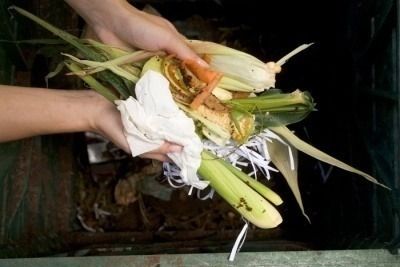
The consultation seeks views from ‘anyone with an interest’ on the type of businesses in scope of the potential legislation, the material in scope to be reported, the reporting process which businesses in scope my need to follow, and the enforcement of any regulations.
Defra notes that the consultation will be of particular interest to businesses involved in the production, manufacture, processing, sale or distribution of food, as well as NGOs concerned about the cost of food waste to their business, inefficiencies in the food industry, or the impact of food waste on the environment.
The consultation will run for 12 weeks, closing on 5 September. Its launch follows yesterday’s release of the Government’s long-awaited Food Strategy.
Aside from the consultation, the strategy restates intentions for further collaboration with the Waste and Resources Action Programme (WRAP), as well as incoming legislation on separate food waste collections, Extended Producer Responsibility (EPR), and the Deposit Return Scheme (DRS).


Get our weekly digest
resource.co article ai

How will the government and DMOs address the challenges of including glass in DRS while ensuring a level playing field across the UK?
There's no easy solution to include glass in the DRS while maintaining a level playing field. Potential approaches include a phased introduction of glass, potentially with higher deposits to reflect its logistical challenges. The government and DMOs could incentivise innovation in glass packaging design and subsidise dedicated return points for glass-handling. Exemptions for smaller businesses unable to handle glass might also be necessary. Any successful solution will likely blend several approaches. It must address the differing priorities of devolved administrations, balance environmental benefits with logistical and cost implications, and be supported by robust consumer education campaigns emphasizing the importance of glass recycling.