

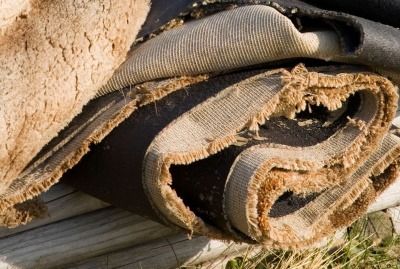
Carpet Recycling UK (CRUK) has introduced an online database to provide information on disposal options for carpets and textile flooring waste for UK households. The resource, available at www.recyclemycarpet.co.uk, provides the public with information about local disposal options.
The website incorporates several features to assist users in finding appropriate disposal options. It includes a search function that allows individuals to locate disposal facilities in their area. The database covers all UK local authorities and provides links to council websites, enabling users to access up-to-date disposal guidelines. Additionally, the resource offers detailed information on Household Waste Recycling Centres (HWRCs) specific to each postcode, further assisting users in identifying local disposal facilities.
Cathie Clarke, CEO of Carpet Recycling UK, said: "This dedicated website allows the public to find their local council-operated waste and recycling centre where they can dispose of their carpet and textile flooring waste. This will help to provide a solution to a bulky waste stream, which would otherwise have been a costly and problematic issue."
Establishing standard options
The UK government plans to standardise recycling collections across local authorities by March 2026. CRUK states that its new resource will help consumers navigate the current range of disposal options.
Clarke added: "By providing access to local information, we aim to develop awareness and create accessibility for the disposal of carpet and textile flooring waste across the country."
The website launch follows other industry developments, such as the opening of the UK's first carpet recycling facility by Innovate Recycle in Northampton.


Get our weekly digest
resource.co article ai

How will the government and DMOs address the challenges of including glass in DRS while ensuring a level playing field across the UK?
There's no easy solution to include glass in the DRS while maintaining a level playing field. Potential approaches include a phased introduction of glass, potentially with higher deposits to reflect its logistical challenges. The government and DMOs could incentivise innovation in glass packaging design and subsidise dedicated return points for glass-handling. Exemptions for smaller businesses unable to handle glass might also be necessary. Any successful solution will likely blend several approaches. It must address the differing priorities of devolved administrations, balance environmental benefits with logistical and cost implications, and be supported by robust consumer education campaigns emphasizing the importance of glass recycling.