

The seven-partner project uses artificial intelligence to tackle UK food waste through an automated surplus reallocation initiative.
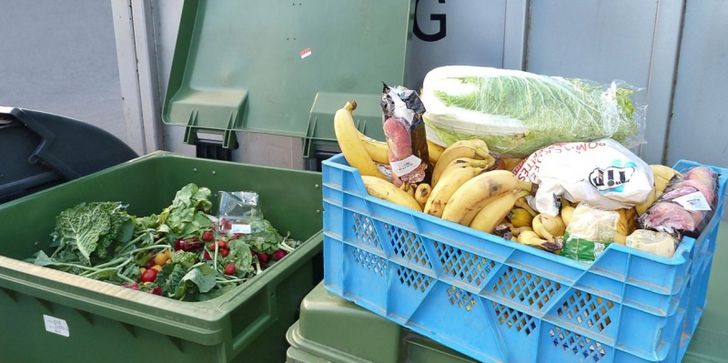
A consortium of major food brands and charities has launched an artificial intelligence-powered project to redistribute surplus meals across the UK.
The initiative brings together Bristol Superlight, FareShare, FuturePlus, Google Cloud, Howard Tenens Logistics, Nestlé UK&I, and Zest to tackle the 4.6 million tonnes of edible food wasted annually in Britain.
The project has received £4.9 million in funding from Innovate UK’s BridgeAI initiative, with additional match funding. Over the course of the pilot, the consortium aims to redistribute up to 700 tonnes of quality surplus food, or around 1.5 million meals.
The initiative is also expected to cut both carbon emissions and costs, preventing up to 1,4000 tonnes of CO2 emissions and delivering up to £14 million in cost savings.
Earlier trials of the technology delivered an 87 per cent reduction in edible food waste at a single Nestlé factor over a two-week period.
AI solution aims to improve redistribution speeds
The project centres on Zest’s integrated AI-powered platform, which connects food manufacturers, logistics providers and charities to streamline surplus food redistribution.
The AI system works by automatically identifying surplus food products and ingredients, then matching them with charity and community group requirements based on location, capacity and dietary needs. Machine learning algorithms continue to improve the matching process by analysing successful redistributions and identifying patterns in surplus generation.
The platform will leverage Google Cloud’s BigQuery and Vertex AI technology to accelerate the matching process between available surplus food and areas of demand.
Bristol Superlight will contribute an integrated AI and machine learning-driven logistics system that measures and tracks the quality of surplus food throughout the delivery journey.
Howard Tenens Logistics will provide the physical distribution network, whilst FareShare will offer access to its network of over 8,000 charities and community groups across the UK. Nestlé UK&I will serve as the primary food manufacturer partner.
"As the world's largest food manufacturer, it is important for us at Nestlé to set an example on food waste," said Dr Emma Keller, Head of Sustainability at Nestlé UK & Ireland. "This exciting cross-industry initiative builds on work we have undertaken over the last decade to tackle food waste and will enable us to further optimise surplus within our operations."
Goals of the food waste reduction scheme
The consortium expects the solution to be applicable at scale across the entire UK food supply chain once testing concludes.
"Our mission from day one has been to empower food manufacturers to design out food waste, and we've always known this vast challenge requires collaboration," said Dini McGrath, Co-Founder of Zest. "This milestone brings us closer to our shared goal of building a more transparent and sustainable food system."
FareShare, which has operated food redistribution programmes for 30 years, sees the AI platform as a significant advancement in bridging the gap between food insecurity and food waste. The charity currently redistributes food to over 8,000 organisations supporting communities across Britain.
"This innovation will make a huge difference," said Simon Millard, Director of Food at FareShare. "By unlocking new efficiencies in systems, we will be able to get more food to those groups and create greater social impact."
Simon Brown, Corporate Innovation Partner at Sustainable Ventures, which coordinated the consortium, added: “Bringing together this fantastic group of stakeholders will reduce the time and risk taken to develop this new AI food supply chain management platform, whilst providing a market ready solution that can be rolled out across the industry."


Get our weekly digest
resource.co article ai

How will the government and DMOs address the challenges of including glass in DRS while ensuring a level playing field across the UK?
There's no easy solution to include glass in the DRS while maintaining a level playing field. Potential approaches include a phased introduction of glass, potentially with higher deposits to reflect its logistical challenges. The government and DMOs could incentivise innovation in glass packaging design and subsidise dedicated return points for glass-handling. Exemptions for smaller businesses unable to handle glass might also be necessary. Any successful solution will likely blend several approaches. It must address the differing priorities of devolved administrations, balance environmental benefits with logistical and cost implications, and be supported by robust consumer education campaigns emphasizing the importance of glass recycling.