

Sponsored content
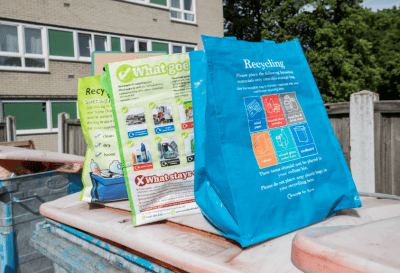
Cromwell Polythene takes pride in its partners’ accomplishments, so was delighted to see Pembrokeshire County Council announced as ‘Best Recycler in Wales’ for the second year running.
Between April 2020 to March 2021, Pembrokeshire Council achieved a recycling rate of 73.2 per cent, surpassing Wales’ 64 per cent national target and representing a year-on-year improvement for the authority. Cllr Cris Tomos, Cabinet Member for the Environment, said he was extremely proud of Pembrokeshire’s success.
The local authority has sourced bags and sacks from Cromwell for several years. Cromwell’s commercial director, Alex Lee, stated: “We are delighted to see Pembrokeshire achieve a recycling rate of over 73 per cent this year. To have accomplished this amidst huge pressure from increased volumes of household waste and all the technical challenges presented by Covid-19 is nothing short of remarkable. Cromwell is proud to have supplied the woven PP recycling sacks that played a small but important part in this phenomenal achievement.”
If you are looking to improve the uptake of your existing recycling and food waste schemes, or are about to introduce new schemes, contact Cromwell Polythene to discuss what solutions will work best for the capture and containment of the materials.


Get our weekly digest
resource.co article ai

How will the government and DMOs address the challenges of including glass in DRS while ensuring a level playing field across the UK?
There's no easy solution to include glass in the DRS while maintaining a level playing field. Potential approaches include a phased introduction of glass, potentially with higher deposits to reflect its logistical challenges. The government and DMOs could incentivise innovation in glass packaging design and subsidise dedicated return points for glass-handling. Exemptions for smaller businesses unable to handle glass might also be necessary. Any successful solution will likely blend several approaches. It must address the differing priorities of devolved administrations, balance environmental benefits with logistical and cost implications, and be supported by robust consumer education campaigns emphasizing the importance of glass recycling.