

MVV has announced the start of the statutory consultation period on its proposed Energy from Waste (EfW) Combined Heat and Power (CHP) facility in Medworth.
According to the company, per annum the facility aims to prevent 500,000 tonnes of residual waste in the East England area from ending up in landfill, and will only accept waste that complies with an environmental permit issued by the Environmental Agency.
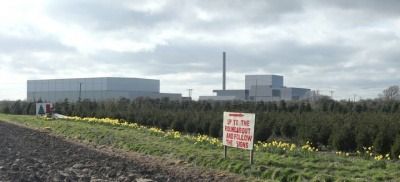
As part of the early stages of the pre-planning process for the proposal, MVV initially undertook a period of non-statutory consultation in 2020.
Due to the coronavirus pandemic and associated restrictions however, the planned statutory consultation period has been delayed until now.
This statutory consultation period will run from 28 June to 13 August 2021 and will incorporate eight public exhibitions over the two weeks commencing 13 July.
MVV’s project team will be attending the public exhibitions to answer questions and listen to local concerns.
For those unable to attend an exhibition, the current consultation documents can also be inspected digitally on the company’s website.
All events are being advertised on the website, as well as via leaflet drops, local media and at community venues.
Community feedback can be provided via an online form, as well as via hard copies at public exhibitions or document inspection locations.
MVV’s Managing Director, Paul Carey, said of the consultation period: “Since our non-statutory consultation in 2020, we have further developed our proposals and incorporated feedback from a variety of stakeholders.
“This is now the opportunity for the local community and all other stakeholders to look at what we propose and provide further feedback.”
On choosing Medworth as a location for the facility, Carey said: “Basically, because it’s in a region where there is a lack of EfW capacity – the waste at the moment travels some distance and then ends up going to landfill.
“So it’s all about displacing the waste that goes to landfill; we’re not talking about trying to stop recycling, we’re trying to stop landfill.
“And at the particular location that we’ve chosen, we’re surrounded by industry.”
“It’s on an industrial estate, therefore we have a good chance of being able to supply heat and electricity to local industry.”
On what the facility would mean for the local community in Medworth, Carey continued: “The local community clearly have concerns and that’s what the current consultation is all about.
On potential benefits, Carey referenced the consultation documentation available online: “There’s all sorts of chapters: in particular, one about socio-economic impacts.
“So take a look at that; that’s where we talk about potential benefits to the community.
“Obviously what happens in a lot of these cases, the local community thinks there are no benefits.”
“Projects like this are also clearly of a much wider national importance and, indeed, ours comes under the auspices of a nationally significant infrastructure project and that’s why we have to apply to the planning inspectorate.”


Get our weekly digest
resource.co article ai

How will the government and DMOs address the challenges of including glass in DRS while ensuring a level playing field across the UK?
There's no easy solution to include glass in the DRS while maintaining a level playing field. Potential approaches include a phased introduction of glass, potentially with higher deposits to reflect its logistical challenges. The government and DMOs could incentivise innovation in glass packaging design and subsidise dedicated return points for glass-handling. Exemptions for smaller businesses unable to handle glass might also be necessary. Any successful solution will likely blend several approaches. It must address the differing priorities of devolved administrations, balance environmental benefits with logistical and cost implications, and be supported by robust consumer education campaigns emphasizing the importance of glass recycling.