

Loom, Maconda Solutions, MarinaTex, The Little Loop, Velorim and WEEE Scotland to each receive £10K marketing and communications support from Barley Communications.
The Chartered Institution of Wastes Management (CIWM) has announced the six companies that will receive funding from its Circular Economy Innovators Fund.
The fund was established to help the growth of small and micro businesses within the circular economy field.
CIWM has revealed that the winning companies are:
- Loom, which is developing software to support the upcycling and redesign of clothing
- Maconda Solutions, a consultancy for the circular built environment
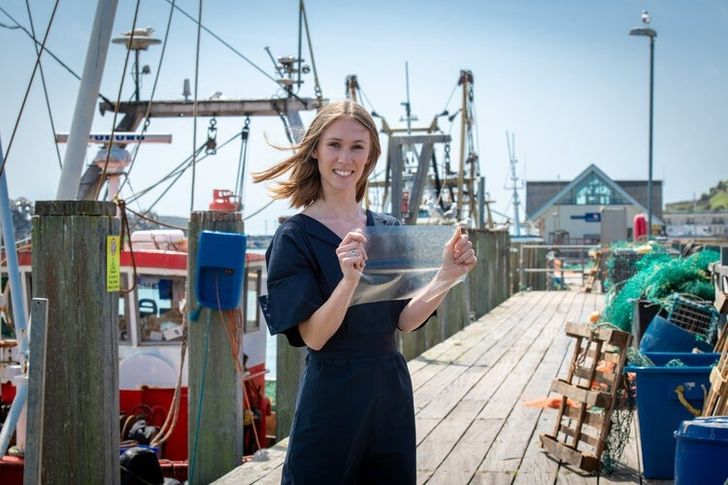
- MarinaTex, which is developing a material made from marine waste as an alternative to single-use plastic
- The Little Loop, a circular marketplace for renting and swapping children’s clothing
- Velorim, a collection and recycling service for bicycle tires, inner tubes, and Li-ion batteries
- WEEE Scotland, which is helping to address the challenges of redundant electrical equipment through repair, refurbishment and remanufacture
Discussing the selection of the Circular Economy Innovators, Richard Hudson, CIWM Technical Manager, said: “Small and micro businesses, like those selected for support through the CIWM Circular Economy Innovators Fund, are the foundation on which the circular economy will be built. Their innovation and enthusiasm are matched by their potential to make a meaningful change in the way we manage and protect our finite resources.”
The chosen companies will receive support from Barley Communications to help develop marketing and brand developments to the value of £10,000. This will include tailored brand communications plans and corresponding assets and content for each company to use.
Sam Williams, co-CEO of Barley Communications, commented: “The circular economy innovators selected by CIWM for support are a true inspiration to work with. It’s been a fascinating immersion process to understand the ambitions of each organisation and to hone in on how communications can best support the delivery of their objectives. As a social purpose agency, we’re always looking to focus our efforts where we can create the most positive impact, and we’re excited to raise awareness of the brilliant work of these organisations and drive action to help them grow.”
Hudson added: “We are confident that the provision of brand, marketing and communications expertise will help these innovators to better tell their stories, continue to raise their profile, and leverage the potential to scale up their operations.”


Get our weekly digest
resource.co article ai

How will the government and DMOs address the challenges of including glass in DRS while ensuring a level playing field across the UK?
There's no easy solution to include glass in the DRS while maintaining a level playing field. Potential approaches include a phased introduction of glass, potentially with higher deposits to reflect its logistical challenges. The government and DMOs could incentivise innovation in glass packaging design and subsidise dedicated return points for glass-handling. Exemptions for smaller businesses unable to handle glass might also be necessary. Any successful solution will likely blend several approaches. It must address the differing priorities of devolved administrations, balance environmental benefits with logistical and cost implications, and be supported by robust consumer education campaigns emphasizing the importance of glass recycling.