

Environmental charity City to Sea has issued a warning to consumers not to attempt home-composting Sainsbury’s new range of ‘plant-based’ own brand tea bags.
The tea bags are sealed with a bioplastic called polylactic acid (PLA), which means they cannot be composted in conventional compost heaps.
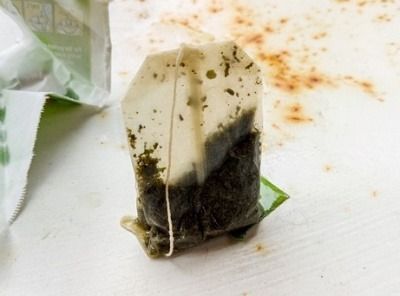
While Sainsbury’s details that the tea bags are ‘made from renewable plant-based material and are industrially compostable, unlike the current oil-based plastic teabags’, it fails to inform consumers that the tea bags cannot be composted at home saying. This has caused confusion among customers.
City to Sea founder Natalie Fée said: “There is a real danger here that consumers will hear words like ‘plant-based’ or ‘biodegradable’ and, understandably, think that they will biodegrade like a plant would in compost.
This just isn’t the case and businesses need to be clear about that on their packaging. These tea bags need high temperatures and high pressure commercial composting facilities.
The result is a plastic catastro-tea waiting to happen with more confused consumers thinking they’re doing the right thing when in fact, they’re not.”
Despite PLA being a bioplastic and being used as a sealant by many tea bag brands, it is still considered a single-use plastic – and would take hundreds of years to biodegrade in a home compost setting.
City to Sea has, however, welcomed the move from Sainsbury’s to scrap the plastic shrink wrap that tea bag boxes come wrapped in.
Fée continued: “These are a pointless piece of plastic that consumers can easily do without. The challenge for Sainsbury’s and other major retailers and tea manufacturers now is not to tweak this old single-use model, but to look much bigger and ask where they can eliminate plastics and where they can embed plastic-free packaging or refill models.
“Tea is a great example of a product that easily could, and should, be purchased naked.”


Get our weekly digest
resource.co article ai

How will the government and DMOs address the challenges of including glass in DRS while ensuring a level playing field across the UK?
There's no easy solution to include glass in the DRS while maintaining a level playing field. Potential approaches include a phased introduction of glass, potentially with higher deposits to reflect its logistical challenges. The government and DMOs could incentivise innovation in glass packaging design and subsidise dedicated return points for glass-handling. Exemptions for smaller businesses unable to handle glass might also be necessary. Any successful solution will likely blend several approaches. It must address the differing priorities of devolved administrations, balance environmental benefits with logistical and cost implications, and be supported by robust consumer education campaigns emphasizing the importance of glass recycling.