

Sponsored content
The REAZN Group is continuously working at the optimization of its zinc recycling technologies in the context of its prime grade zinc alloy production. The European group improves the recovery rate of zinc units and saves valuable raw materials from the waste stream.
Zinc: 100 per cent recyclable
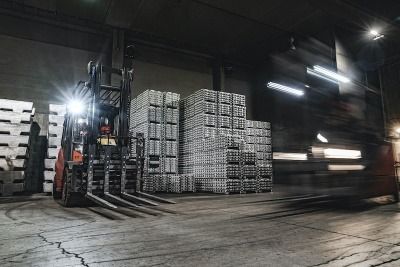
REAZN strongly believes that zinc is one of the most suitable materials for an upcycling recovery stream. In this way REAZN helps to save natural resources and to lower the carbon footprint for the whole industry. REAZN keeps on investing in better recycling processes and technologies and is committed to reduce its CO2 emissions. By doing so, REAZN wants to change the perception of secondary material and to promote the concept of zinc recycling.
REAZN: RECYCLING, RELIABILITY AND ZINC
The REAZN Group celebrated its 1st birthday on 18 February 2021. One year ago, four brands were unified to further strengthen the position in their core zinc alloy business:
- REAZN BELGIUM NV (previously NFM Cramet NV),
- REAZN SA (previously NFM Alloyz),
- REAZN UK Ltd (previously The Brock Metal Company Ltd),
- REAZN+ BV (previously ISTC BVBA).
In 1988 REAZN BELGIUM started the production of zinc alloys in Ghent, already focusing on secondary zinc units. REAZN SA was founded in the year 1994 in Luxembourg. The company is responsible for the procurement of raw materials, logistic processes and sales.
REAZN UK originates from the Brock Metal Company. Its factory is located near Wolverhampton and was established in 1949. Last, REAZN+ complements REAZN BELGIUM for the processing of complex secondary raw materials on the Belgian site.
Sustainable manufacturing process
Today, REAZN produces 95,000 tonnes of zinc alloys per year, offering casting and customised galvanising alloys. The company offers a logistical service to their customers providing bins for collection of the materials to be recycled. Another objective is to recover zinc units from post-consumer goods. It also partly prevents the disposal of demolition and household waste. Furthermore, every by-product of REAZN's recycling process can be used as raw material in other industrial applications.
For further information, please visit The REAZN Group homepage.


Get our weekly digest
resource.co article ai

How will the government and DMOs address the challenges of including glass in DRS while ensuring a level playing field across the UK?
There's no easy solution to include glass in the DRS while maintaining a level playing field. Potential approaches include a phased introduction of glass, potentially with higher deposits to reflect its logistical challenges. The government and DMOs could incentivise innovation in glass packaging design and subsidise dedicated return points for glass-handling. Exemptions for smaller businesses unable to handle glass might also be necessary. Any successful solution will likely blend several approaches. It must address the differing priorities of devolved administrations, balance environmental benefits with logistical and cost implications, and be supported by robust consumer education campaigns emphasizing the importance of glass recycling.