

Third episode of The Sustainable Conversation's second series promotes second-hand fashion.
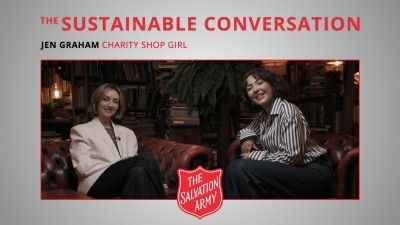
The Salvation Army Trading Company Ltd (SATCoL) has released the third episode of the second series of its podcast, The Sustainable Conversation, featuring Jennifer Graham, also known as Charity Shop Girl.
Hosted by Elle editor Naomi May, the latest episode continues the podcast's focus on promoting sustainable fashion, as well as social and environmental justice. Jennifer Graham, a recognised voice in charity retail, uses her social media presence to challenge the stigma associated with charity shopping and promote second-hand fashion.
Graham has previously supported The Salvation Army's work, participating in their national clothing bank campaign and visiting their Chesterfield donation centre to raise awareness of these community hubs.
Kirk Bradley, SATCoL's Head of Corporate Partnerships, commented on the series: "The podcast enables the trading arm of the charity to share expert views, personal motivations and increase their social engagement with a much-needed sustainable conversation to drive lasting change."
The six-part series features a range of guests from the fashion industry, including:
- Philanthropist and DJ Cuppy
- Lucy Kebbell, founder of The Vendeur
- Actress Kara Tointon
- Fashion stylist Kelvin Barron
- Britain's Next Top Model winner and actress Mecia Simson
- Sustainable fashion writer Besma Whayeb
- Award-winning fashion stylist Rebekah Roy
The podcast also includes discussions with SATCoL's Take Back Scheme brand partner, Oh Polly, about accessible ways to donate used items.
SATCoL has received industry recognition for its efforts to support brands and retailers in meeting their environmental goals. The podcast aims to encourage the public to engage in shifting mindset away from disposal and promoting second-hand shopping.
The Sustainable Conversation podcast is available on major streaming platforms including Apple, Spotify, YouTube, and SATCoL TV (www.satcol.org/satcol-tv).
SATCoL, which operates 250 charity shops and donation centres across the UK, as well as a nationwide network of clothing banks, diverts over 250 million items to good uses annually, including over 65,000 tonnes of textiles. Proceeds from SATCoL's activities support The Salvation Army's work with vulnerable people in the UK, with over £80 million donated in the last ten years.


Get our weekly digest
resource.co article ai

How will the government and DMOs address the challenges of including glass in DRS while ensuring a level playing field across the UK?
There's no easy solution to include glass in the DRS while maintaining a level playing field. Potential approaches include a phased introduction of glass, potentially with higher deposits to reflect its logistical challenges. The government and DMOs could incentivise innovation in glass packaging design and subsidise dedicated return points for glass-handling. Exemptions for smaller businesses unable to handle glass might also be necessary. Any successful solution will likely blend several approaches. It must address the differing priorities of devolved administrations, balance environmental benefits with logistical and cost implications, and be supported by robust consumer education campaigns emphasizing the importance of glass recycling.