

A report published by the UK’s regulatory science network for bio-based materials confirms that certification standards for biodegradable plastics already include mandatory environmental safety testing.
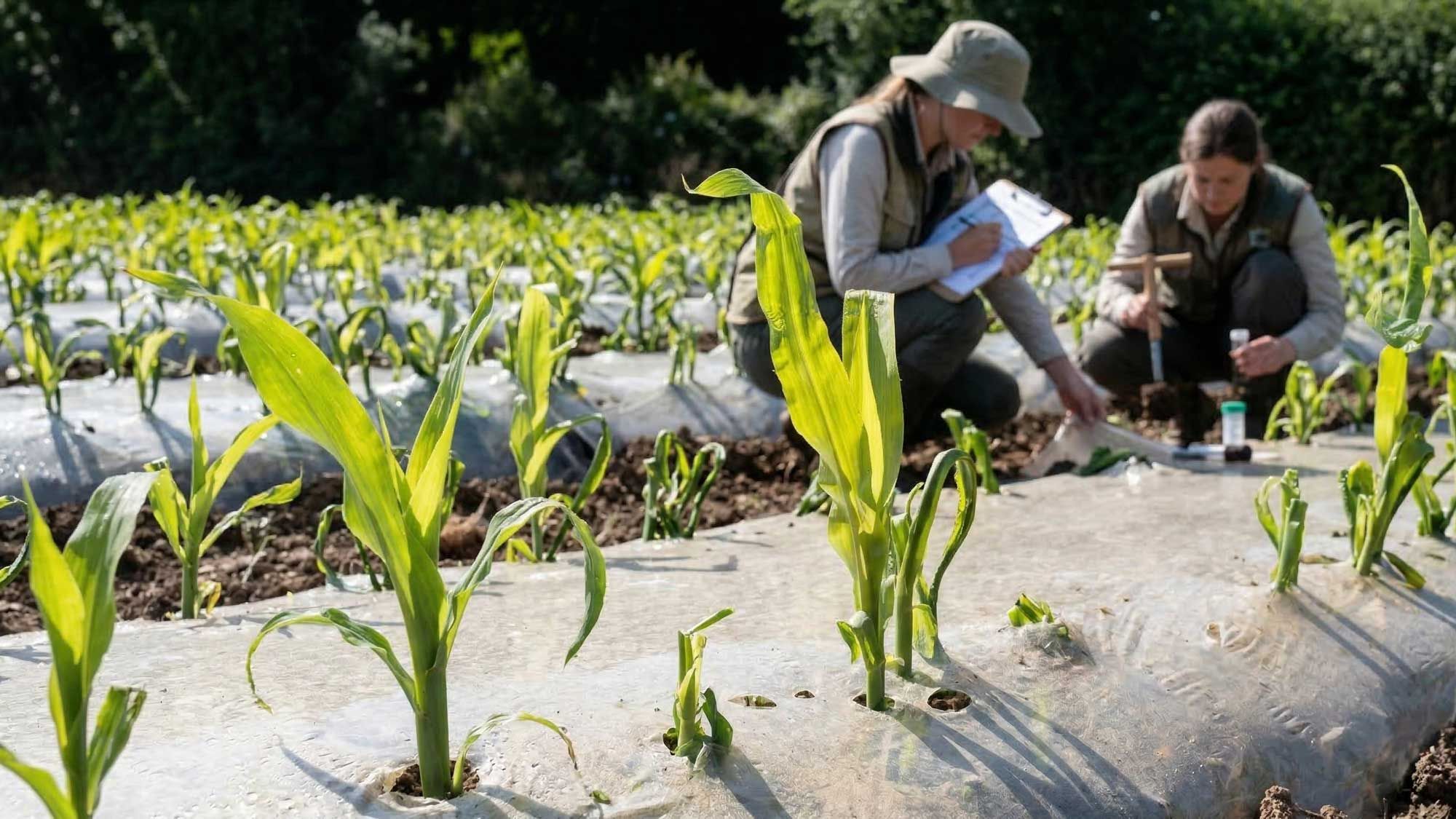
Certified biodegradable plastics have already passed strict ecotoxicity tests proving they do not harm plants, microorganisms, invertebrates or soil and water quality as they break down, according to a new report from BB-REG-NET, the UK’s regulatory science network for bio-based and biodegradable materials.
The report, Persistent Plastic Pollution and Ecotoxicology: The Role of Biodegradable Plastics, finds that safeguards are already in place, such that any product certified as compostable or soil-biodegradable has had to pass environmental safety tests before reaching the market.
These findings aim to address questions raised by the UK Government in 2021, when it acknowledged the potential of biodegradable plastics to reduce plastic waste but sought assurances about possible unintended consequences, including whether the materials might accelerate microplastic formation or cause harmful environmental effects.
How the testing works
The tests sit within two European standards. EN 13432:2000 covers industrial compostable packaging and requires materials to convert at least 90 per cent to carbon dioxide within six months. The resulting compost must then pass plant growth tests and microbial toxicity testing. EN 17033:2018 applies to biodegradable mulch films used in agriculture, where films must degrade by 90 per cent within 24 months in soil at ambient temperature and pass additional testing on plants, earthworms and soil microorganisms.
According to the report, comparative testing across bacteria, protozoa, algae, plants, crustaceans and earthworms has confirmed that certified biodegradable materials produce no adverse effects when properly degraded under specified conditions.
Biodegradable plastics can form microplastic particles during the early stages of breakdown, but unlike conventional plastics, these particles do not persist. They continue to degrade and are ultimately converted into biomass, CO2 and water. A study of biodegradable mulch films used for more than 10 years under field conditions found neither noticeable microplastic build-up nor harm to soil function. In aquatic environments, biodegradable microplastics have been shown to have lower ecotoxicity than conventional plastics.
“Existing standards relating to the decomposition of biodegradable materials require ecotoxicity testing to ensure materials can be safely returned to the open environment. It is important to recognise that this also covers the testing of any transient microplastics formed as part of the natural breakdown of biodegradable materials,” comments Gail Shuttleworth, the report’s lead author from Alder BioInsights.
Regulatory context
The report notes that the EU’s REACH Amendment (Regulation 2023/2055), which restricts the use of intentionally added microplastics, exempts biodegradable polymers that meet defined biodegradation criteria. The exemption recognises the distinct environmental profile of these materials, though this restriction has not yet been fully transposed into UK REACH.
Separately, the EU Fertilising Products Regulation (EU 2019/1009) now classifies biodegradable and bio-based agricultural mulch films as soil improvers, allowing certified soil-biodegradable mulch films bearing the CE mark to be marketed across the EU.
“Biodegradable products are not currently competing on an even playing field, often facing additional scrutiny, compared to fossil incumbents. However, despite these challenges, the industry continues to demonstrate that such products are rigorously tested and proven safe before reaching the market,” said Dr Jen Vanderhoven, Chief Executive Officer of the Bio-based and Biodegradable Industries Association (BBIA) and contributing author.
The report was produced by BB-REG-NET’s Circular Bioeconomy Working Group and builds on the network’s earlier research, Addressing Persistent Plastic Pollution: The Case for Biodegradable Solutions (2025), which found that biodegradable microplastics are transient and do not accumulate long-term in the environment.


Get our weekly digest
resource.co article ai

How will the government and DMOs address the challenges of including glass in DRS while ensuring a level playing field across the UK?
There's no easy solution to include glass in the DRS while maintaining a level playing field. Potential approaches include a phased introduction of glass, potentially with higher deposits to reflect its logistical challenges. The government and DMOs could incentivise innovation in glass packaging design and subsidise dedicated return points for glass-handling. Exemptions for smaller businesses unable to handle glass might also be necessary. Any successful solution will likely blend several approaches. It must address the differing priorities of devolved administrations, balance environmental benefits with logistical and cost implications, and be supported by robust consumer education campaigns emphasizing the importance of glass recycling.