

In an investigation into binliners and compostable packaging, Renewable Energy Assurance Limited (REAL) has found that 24 plants in the Compost Certification Scheme (CCS) accept compostable packaging, 14 accept bin liners and 10 accept both compostables and bin liners.
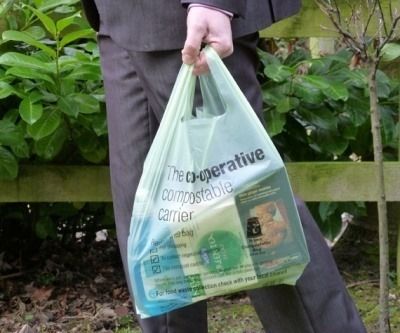
Several of these plants are industrial scale and are responsible for treating numerous varieties of biowastes.
REAL’s findings could undermine the argument that there is no infrastructure for the end life of compostables. Current plants could treat approximately 30,000 tonnes of compostables in the market today.
It is also notable that these figures do not represent the actual number of current plants in the UK accepting compostables, only the REAL CCS scheme plants. It is possible that the actual number is higher.
David Newman, Managing Director of Bio-based and Biodegradable Industries Association (BBIA), commented: “This evidence undermines all those arguments used against compostables that there is no infrastructure.
“As we can see there is substantial infrastructure in the UK today able to treat the circa 30,000 tonnes of compostables put onto the market. What is missing is the collection system to bring compostables to these facilities.”


Get our weekly digest
resource.co article ai

How will the government and DMOs address the challenges of including glass in DRS while ensuring a level playing field across the UK?
There's no easy solution to include glass in the DRS while maintaining a level playing field. Potential approaches include a phased introduction of glass, potentially with higher deposits to reflect its logistical challenges. The government and DMOs could incentivise innovation in glass packaging design and subsidise dedicated return points for glass-handling. Exemptions for smaller businesses unable to handle glass might also be necessary. Any successful solution will likely blend several approaches. It must address the differing priorities of devolved administrations, balance environmental benefits with logistical and cost implications, and be supported by robust consumer education campaigns emphasizing the importance of glass recycling.