

Pressure is growing to ban the deliberate destruction and disposal of unsold or returned goods by producers and online retailers.
In a policy briefing published today (25 Oct), NGOs Ökopol and the European Environmental Bureau (EEB) state that this common practice is in contravention with the EU Green Deal and Circular Economy Action Plan, with the trend set to worsen drastically due to the rise of business and e-commerce strategies such as fast fashion, unless intervention is made by the European Commission.
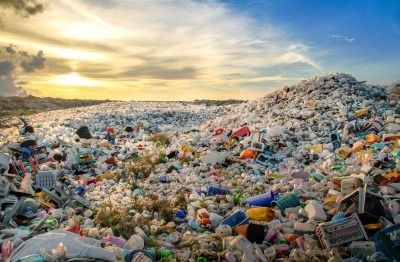
Prohibiting the destruction of unsold goods calls for this ban to be included within the Sustainable Products Initiative, to be published as part of the Circular Economy Action Plan by the end of 2021, as well as urging the promotion of incentives to keep products within the market in order to divert them from the waste stream. Despite having taken steps to address the destruction of unsold goods in their national legislation, Belgium, France and Germany are still being warned by campaigners that such initiatives have to be upscaled to the single-market level in order to be effective.
According to the authors, projections suggest that the value of destroyed electronics and clothing in the EU will amount to £18.3 billion by 2022, with this figure increasing to £60 billion by 2030 if policy measures are not taken. The report also warns of the environmental toll of the practice, outlining that the destruction of unsold goods results in the emission of greenhouse gases (GHGs) as well as the release of hazardous substances in the waste treatment process.
Stéphane Arditi, Director of Circular Economy at the EEB, commented: “This outrage cannot be solved at the national level, as long as products can be exported and destroyed elsewhere. The Commission must build on national solutions and ban the destruction of unsold goods at the EU level. We cannot afford to send perfectly viable products to waste while precious resources are depleted to make new ones”.


Get our weekly digest
resource.co article ai

How will the government and DMOs address the challenges of including glass in DRS while ensuring a level playing field across the UK?
There's no easy solution to include glass in the DRS while maintaining a level playing field. Potential approaches include a phased introduction of glass, potentially with higher deposits to reflect its logistical challenges. The government and DMOs could incentivise innovation in glass packaging design and subsidise dedicated return points for glass-handling. Exemptions for smaller businesses unable to handle glass might also be necessary. Any successful solution will likely blend several approaches. It must address the differing priorities of devolved administrations, balance environmental benefits with logistical and cost implications, and be supported by robust consumer education campaigns emphasizing the importance of glass recycling.