

Understanding the various types of cable markers is essential for electrical safety and efficient organisation in installations ranging from homes to industrial networks.
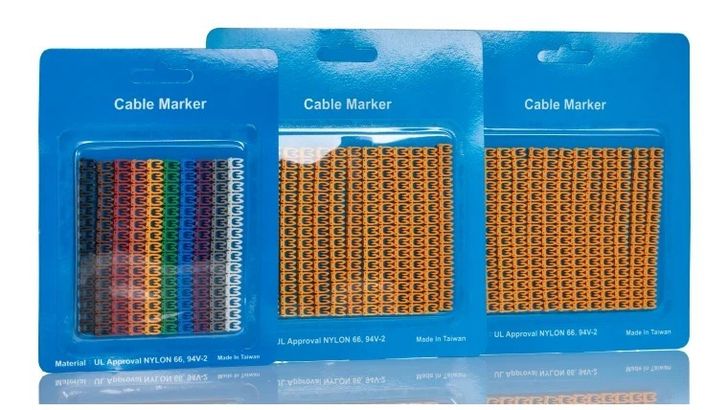
Organisation is key in all electrical installations. Whether you are running one in a home, a data centre, or a large industrial network, you'll need high-quality cable markers to help you create a clear system to identify cables during installation and routine maintenance. Besides that, these markers are crucial in preventing misidentifying electrical cables, which would result in costly downtime, electrical faults, or even safety hazards.
However, cable markers come in various types, and each is designed for different environments and requirements. Understanding these is key to ensuring efficient cable organisation and electrical safety.
Heat Shrink Cable Markers
When you don't plan on using extra cables soon, you need a durable mode of identification. This is what heat shrink cable markers provide as they are made from heat-sensitive tubing and shrink tightly around a cable when exposed to heat. This makes the label permanent and tamper-resistant as it won't slip, fade, or peel off, and so the markers are suitable for harsh conditions.
Key Benefits:
- Durability: They are resistant to moisture, chemicals, abrasions, and extreme temperatures.
- Secure Fit: These markers fit tightly around the cable, so they are secure and ensure there's no misalignment.
- Clear Markings: The markers are usually printed with thermal transfer or laser technology, so they always provide sharp, long-lasting text.
Where They're Used:
- Industrial and Manufacturing Environments – Can withstand oil, solvents, and mechanical stress of industrial spaces.
- Outdoor Electrical Installations – Can withstand UV exposure and harsh weather conditions in outdoor installations.
- Data Centres and Telecommunications – Since the labels are reliable and clear, the markers are suitable for data centres – these have little room for guesswork.
Using these connectors is quite simple as you only need to slide the marker and apply heat using a heat gun.
Self-Adhesive and Self-Laminating Labels
These labels give you a fast and flexible way to label cables that have already been terminated. When it comes to using them, all you need to do is stick the marker onto a cable, and you won’t need any special tools. The label is usually placed inside a transparent protective layer, so it's shielded from wear and tear.
Key Benefits:
- Easy Application: You only need to peel, stick, and press. It will give you a secure hold.
- Customisable: You can opt for blank or pre-printed ones. The former is written using a marker pen or label printer.
- Protection from Fading: Since it has a transparent shield, you won’t have to worry about fading.
Where They're Used:
- Office and IT Network Cabling – These are great for labelling Ethernet cables, patch cords, and office wiring.
- Data Centres and Server Rooms – They are quite useful in maintaining clear identification in places with many wires.
- Maintenance and Field Repairs – Quite useful for marking cables in places where regular maintenance (and re-labelling) is often required.
The best part of these markers is that they are easy and flexible to use, you only need a clean and dry surface.
Clip-On and Slide-On Markers
In places where you might need frequent reorganisation or replacement, you need labels that are easy to remove without the need for adhesives or heat. Clip-on and slide-on markers offer these as they either snap onto or slide over a wire. They are usually colour-coded and pre-printed with letters, numbers, or symbols, so you only need to arrange them. You can then reposition or remove them easily.
Key Benefits:
- Reusable and Adjustable: You can move or replace them easily without damaging anything or leaving adhesives.
- No Special Tools Needed: A simple clip or slide is enough for a secure fit.
- Pre-Printed or Blank Options: They are pre-printed with codes or blank surfaces, so you can customise them easily.
Where They're Used:
- Temporary Electrical Installations – They can be easily repurposed or reassigned.
- Prototyping and Testing Labs – They are quite useful in experimental projects or ones that are frequently evolving.
As these markers don't rely on adhesives, they are mostly used in cases where non-permanent labelling is needed.
Tie-On Cable Tags
These markers are used with larger bundles and cables, and they have either slide-on markers, printed ones, or handwritten labels. They are then mounted using cable ties such as zip ties and work well in harsh environments where adhesives might fall off.
Key Benefits:
- Highly Versatile: They easily work well with large bundles.
- Extreme Durability: They are resistant to moisture, chemicals, and UV exposure. This makes them great for outdoor environments.
- Customisable Options: They are mostly available in blank versions, but there are also pre-printed ones.
Where They're Used:
- Power Distribution and Electrical Infrastructure – They are ideal in environments with thick cables, such as in power distribution.
- Construction Sites – They come in handy in places with temporary installations.
- Oil, Gas, and Marine Applications – These markers can withstand exposure to extreme temperatures, moisture, and corrosive substances that come with these environments.
Applying these markers is quite simple, more like threading a zip tie and fastening through the tag. You'll have a long-lasting solution that will remain secure even when the environment is demanding.


Get our weekly digest
resource.co article ai

How will the government and DMOs address the challenges of including glass in DRS while ensuring a level playing field across the UK?
There's no easy solution to include glass in the DRS while maintaining a level playing field. Potential approaches include a phased introduction of glass, potentially with higher deposits to reflect its logistical challenges. The government and DMOs could incentivise innovation in glass packaging design and subsidise dedicated return points for glass-handling. Exemptions for smaller businesses unable to handle glass might also be necessary. Any successful solution will likely blend several approaches. It must address the differing priorities of devolved administrations, balance environmental benefits with logistical and cost implications, and be supported by robust consumer education campaigns emphasizing the importance of glass recycling.