

Geminor signs waste contract with Swansea Council
Swansea Council has awarded Geminor UK a three-year contract to transport and recover 33,000 tonnes of residual waste annually.
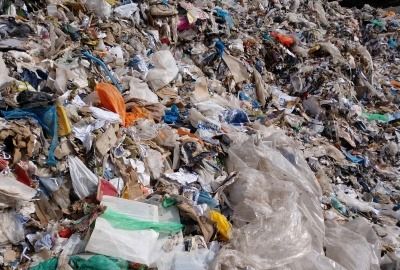
The contract, which began 1 February, is for the handling of Municipal Solid Wate for an initial three-year term with extensions running to a further four years.
Waste will be collected from Swansea’s Ferryboat Close depot and transported to Covanta’s Rookery South facility for recovery, with Geminor stating that waste previously going to landfill will now be recovered for the production of energy.
FCC Environment rolls out microgeneration across UK sites
FCC Environment recently announced that it will be rolling out microgeneration at nine of its landfill sites across the UK, following a pilot scheme at its Deerplay landfill site in Lancashire.
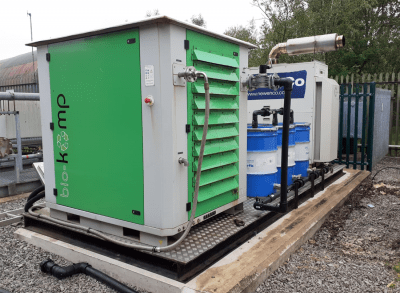
The initiative is expected to allow an additional 7,329 MWh of energy to be fed back into the grid, enough to power over 2,360 homes.
Typically, power generation from landfill gas ceases when there is insufficient residual gas to operate the smallest 330KW engines, resulting in the gas being flared. However, under the current Renewable Obligation subsidy, installations can continue to be operated below this threshold, allowing microgeneration projects to operate between 65 and 105KW.
FCC Environment, one of the UK’s largest recycling and waste management companies, is set to roll out microgeneration at nine of its landfill sites across the UK.
FCC Environment’s Shaun Trigg, Senior Environment Manager, said: “We started our microgeneration trial at our Deerplay landfill site all the way back in 2014. Since then, we’ve been optimising the technology and proving that it works in a landfill setting. At FCC Environment we’re continually looking at ways to reduce our impact on the planet and reduce our carbon emissions”.
Tesco and Berry partner to recycle supermarket’s soft plastic
Tesco has partnered with packaging manufacturer Berry Global to recycle soft plastic collected from customers at the supermarket.
25 to 30 tonnes per month of collected material, including bread bags, fruit, and vegetable and salad packaging, is currently being sent to Berry’s recycling facility in Heanor, Derbyshire.
There, it is washed, scrubbed, and dried, during which processes any unwanted items are removed. The resulting material is then turned into pellets, to be manufactured into bin liners. To ensure liners have suitable strength, the pellets are blended with recovered agricultural films, such as baling wrap.
William Guest, Tesco Sustainability Packaging Manager, commented: “After doing everything possible to remove and reduce plastic from our stores, we want to ensure that materials are recycled into new products and packaging.
“Our soft plastic collection points help to plug the gap in the country’s recycling infrastructure, and when combined with initiatives like this, we meet our customers’ ask that materials do not go to waste.”


Get our weekly digest
resource.co article ai

How will the government and DMOs address the challenges of including glass in DRS while ensuring a level playing field across the UK?
There's no easy solution to include glass in the DRS while maintaining a level playing field. Potential approaches include a phased introduction of glass, potentially with higher deposits to reflect its logistical challenges. The government and DMOs could incentivise innovation in glass packaging design and subsidise dedicated return points for glass-handling. Exemptions for smaller businesses unable to handle glass might also be necessary. Any successful solution will likely blend several approaches. It must address the differing priorities of devolved administrations, balance environmental benefits with logistical and cost implications, and be supported by robust consumer education campaigns emphasizing the importance of glass recycling.